2026 Best Vacuum Packaging Machine Buying Guide and Tips?
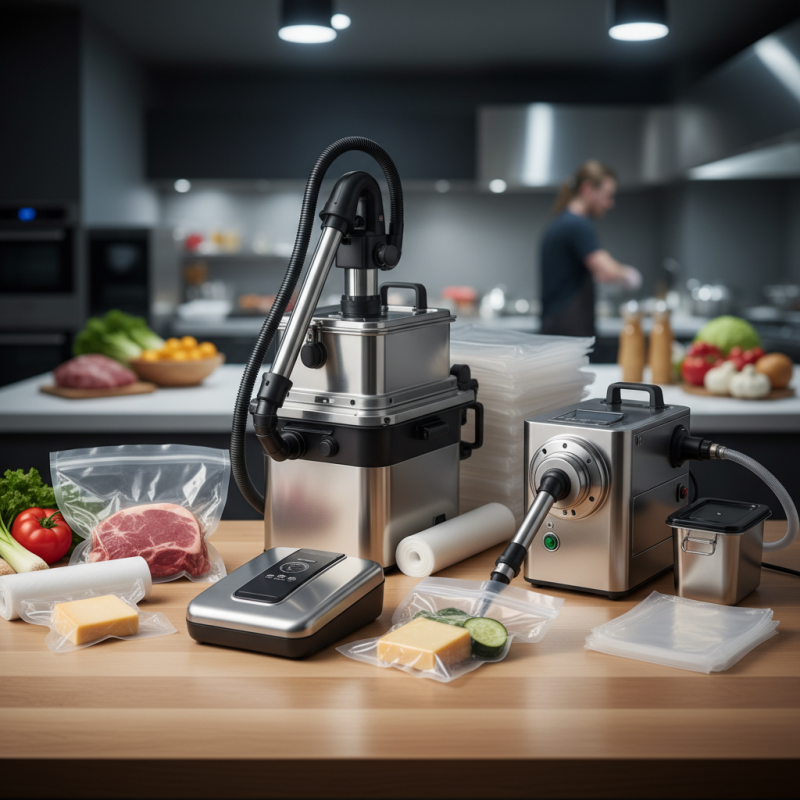
Choosing the right Vacuum Packaging Machine can be a daunting task. Many options flood the market. Each model offers different features. For home use, small machines work well. However, for businesses, larger, more robust models are necessary.
Vacuum packaging is popular. It helps keep food fresh longer. This process reduces waste, preserves flavor, and saves money. Yet, not all machines are the same. Some may not seal properly, leading to spoilage. Others can fail after short periods.
When selecting a vacuum packaging machine, think about what you need. Consider size, efficiency, and price. Read user reviews for insights. Practicality is crucial, and so is a warranty. Think critically before making your decision. A careful choice can make a significant difference.
Understanding Vacuum Packaging Machines: An Overview
Vacuum packaging machines play a crucial role in food preservation. They remove air, preventing oxidation and spoilage. By sealing food tightly, these machines extend shelf life significantly. Many types exist, each suited for different needs. Some machines are simple and portable. Others are complex and designed for commercial use.
Understanding the technology behind these devices is essential. They often use heat and suction. Selecting the right machine can be overwhelming. Consider the size, capacity, and materials. Not all machines work well with every type of food. Some struggle with moist items. This can lead to improper sealing.
It's important to reflect on your usage. Will you pack large quantities, or is it for occasional use? Assess your budget, too. Higher price doesn’t always mean better quality. You may find cheaper options that fit your needs perfectly. Experimenting with different models can lead to better insights. It’s all about finding the right balance for your kitchen.
Vacuum Packaging Machines: Popular Features and Ratings
This chart displays the ratings of popular features for vacuum packaging machines based on user feedback. The ratings are on a scale from 1 to 10, providing insights into which features are most appreciated by users.
Key Features to Look for in a Vacuum Packaging Machine
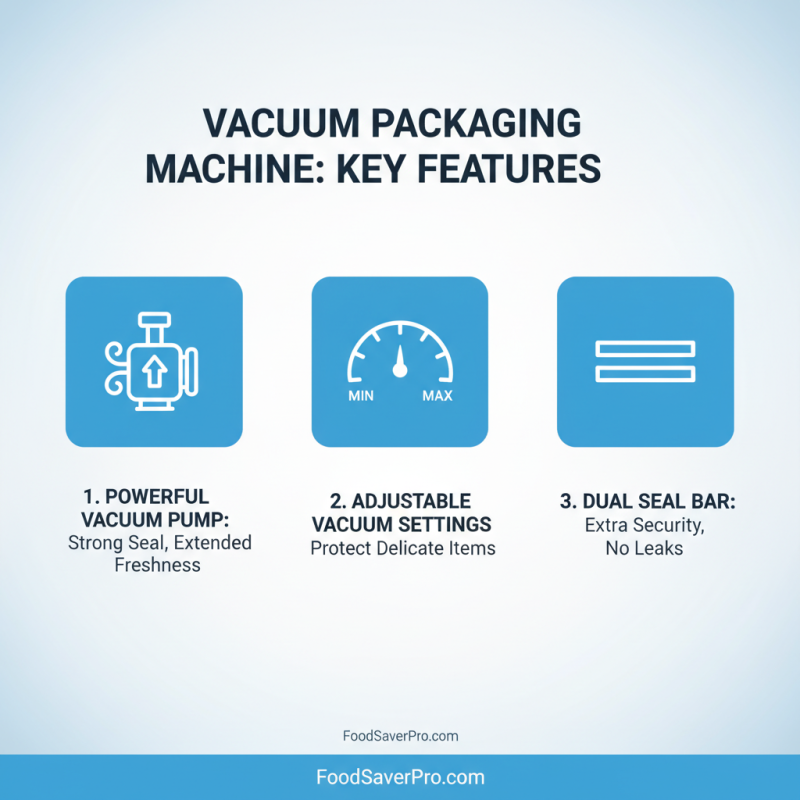
When choosing a vacuum packaging machine, several key features stand out. First, consider the vacuum pump. A powerful pump ensures a tight seal, extending food freshness. Look for models with adjustable vacuum settings. This allows you to package delicate items without crushing them. A machine with a dual seal bar provides extra security against air leaks.
Another important aspect is the size and capacity. Larger machines can handle bulk items, while compact ones fit smaller spaces. Think about the types of food you regularly package. Some machines offer different bag sizes, which adds versatility. An easy-to-use interface is essential, too. Digital controls and indicators make the process smoother.
It’s crucial to assess ease of cleaning and maintenance. A machine with removable parts simplifies the cleaning process. However, some models can be overly complicated. You may find that a more straightforward design works better for your needs. Reflect on how often you will use the machine. High-frequency use may warrant a more durable option, while occasional use may not. Ultimately, balancing features with your specific requirements is key.
Types of Vacuum Packaging Machines: Which One is Right for You?
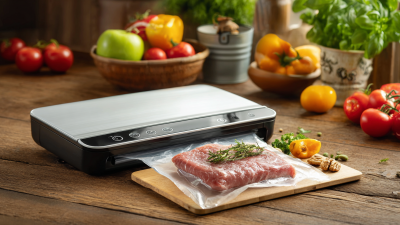
Choosing the right vacuum packaging machine can be a challenging task. Different types cater to various needs. There are external sealers that are perfect for occasional use. They are easy to operate and ideal for sealing food in bags. However, they may not be as durable as other options.
For those who frequently package food, chamber vacuum sealers could be a better fit. They use a chamber to suck out air, ensuring a tight seal. This type often preserves food for longer. However, they are larger and may take up more space. Consider what you need before making a choice.
Lastly, handheld vacuum sealers offer portability and convenience. These are great for smaller jobs or quick sealing tasks. But they might struggle with larger items. Reflect on your packaging volume and purpose. Each type has its pros and cons. Understanding these can help ensure you make the right decision for your needs.
2026 Best Vacuum Packaging Machine Buying Guide and Tips
| Type |
Best for |
Price Range |
Features |
| External Vacuum Sealers |
Home use and small businesses |
$30 - $200 |
Lightweight, simple operation, good for food storage. |
| Chamber Vacuum Sealers |
Heavy-duty and commercial use |
$300 - $3000 |
Greater suction, can seal liquids, built for longevity. |
| Vacuum Seal Bags |
Supporting various sealer types |
$10 - $50 |
Multiple sizes, reusable options available, critical for sealer efficiency. |
| Handheld Vacuum Sealers |
Occasional use, travel |
$20 - $100 |
Portable, easy to store, quick sealing for small jobs. |
| Food Saver Systems |
Meal preppers and bulk buyers |
$100 - $500 |
Integrated systems with bags, containers; focused on food preservation. |
Benefits of Vacuum Packaging for Food Preservation and Storage
Vacuum packaging is a popular method for food preservation. It removes air from the packaging, which prevents oxidation. This process prolongs the shelf life of various foods. Notably, vacuum-sealed items resist freezer burn and maintain flavor better.
When using a vacuum packaging machine, consider these tips. Ensure that the food is as dry as possible before sealing. Excess moisture can lead to spoilage. It’s also important to leave enough space between the food and the seal for an effective vacuum. This can make a big difference in how well the food is preserved.
Experiment with different foods. Some items may not seal well, like leafy greens. They can crush easily and compromise the seal. If you find that certain foods spoil faster than expected, reevaluate your vacuuming technique. Food storage is an art, and sometimes it requires a bit of trial and error to perfect.
Maintenance Tips to Extend the Life of Your Vacuum Packaging Machine
Maintaining your vacuum packaging machine is crucial for longevity. Regular cleaning is essential. Wipe surfaces after each use. Food particles can accumulate and cause issues. Pay attention to the sealing area; it’s crucial for efficiency. This area should always be free from residue. Check the gaskets often, too. A worn gasket can lead to air leaks.
Inspect the machine periodically. Look for any visible wear and tear. Sometimes, parts may need replacement. Ignoring small issues can lead to bigger problems. It’s easy to overlook these details when busy. Keep a maintenance log to track usage and service dates. This simple habit can prevent unexpected downtime.
Lastly, store your machine properly. Keep it in a dry place. Moisture can damage internal components. Avoid stacking heavy items on top. You wouldn’t want a weight to compromise its functionality. Regularly reflecting on these practices can enhance performance significantly. Taking these small steps can make a big difference.