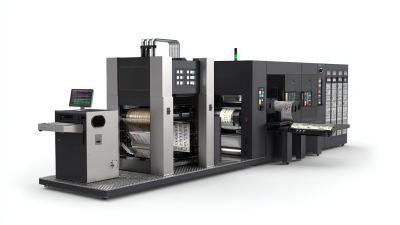
2026 Top Label Printing Machine Trends for Global Buyers
As the label printing industry evolves, new trends emerge every year. These trends shape how global buyers choose their Label Printing Machines. Understanding these trends is crucial for staying competitive.
In 2026, advancements in technology will influence the design and functionality of these machines. Innovations like digital printing and automation will lead the market. Buyers may encounter various choices and features. However, it can be overwhelming. How can one select the right machine amidst all these developments? Information is key.
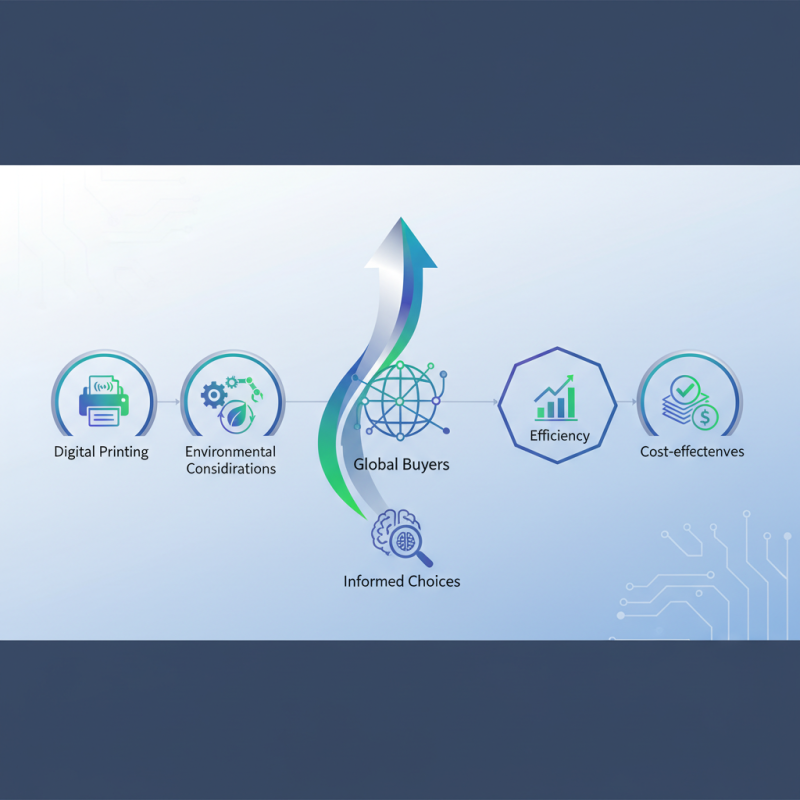
Moreover, environmental considerations are becoming central to purchasing decisions. Companies are seeking machines with lower waste and energy consumption. This shift reflects a growing commitment to sustainability. Yet, the quest for efficiency may come with trade-offs. Balancing quality and cost remains a challenge. By exploring these trends, buyers can make informed choices to meet their unique needs.
Emerging Technologies in Label Printing Machines for 2026
The label printing industry is witnessing significant technological advancements as we approach 2026. Emerging technologies are reshaping how businesses approach label production.
Digital printing continues to gain traction, with market research showing that it will represent over 30% of the total label printing revenue by 2026. This shift allows for quicker turnaround times and customization, crucial for responding to diverse consumer demands.
Automation is another critical trend. Companies are investing in automated systems to enhance efficiency. Reports indicate that automation can reduce labor costs by up to 20%. Additionally, the integration of Artificial Intelligence (AI) is becoming more prevalent. AI-driven tools provide insights into production efficiencies and waste reduction.
Despite these advancements, challenges remain. Not all manufacturers have adopted these technologies, raising questions about standardization and interoperability.
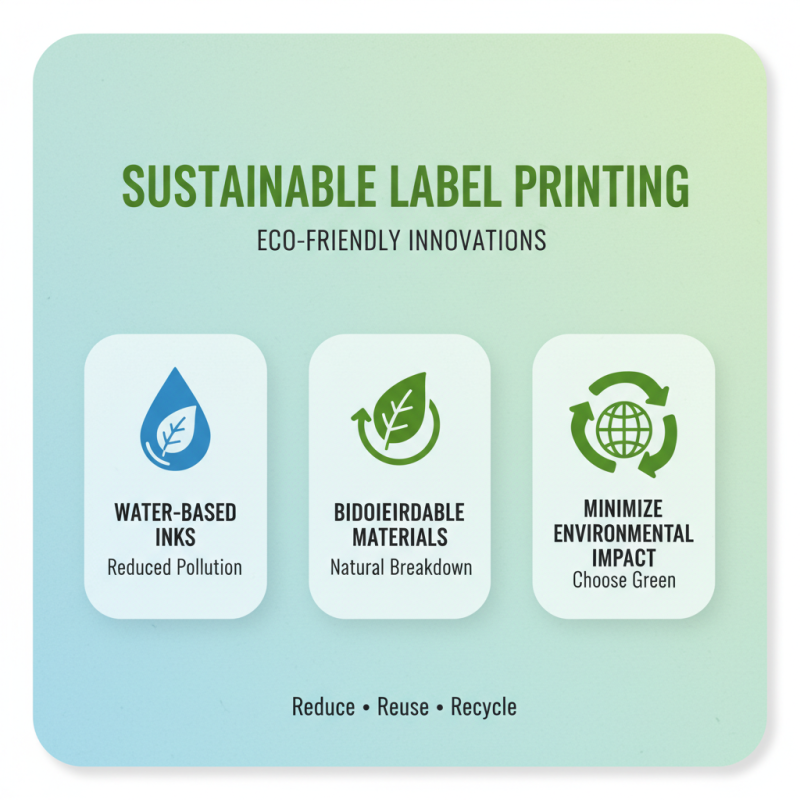
Sustainability is also a focal point in label printing. Eco-friendly materials and processes are increasingly in demand. Data shows a 15% growth in the use of biodegradable and recycled materials. However, achieving sustainability goals is often complex. Not every business can afford the switch, highlighting a gap in accessibility.
As these trends unfold, the landscape of label printing will continue to evolve, presenting both opportunities and challenges for global buyers.
Customization Trends: Personalized Label Printing Solutions
The landscape of label printing is evolving rapidly, with a clear inclination toward personalized solutions. A recent industry report highlights that 72% of buyers prefer brands offering personalized label products. Customization has shifted from being a luxury to a necessity. Customized labels not only enhance brand identity but also create a connection with customers. This need for individuality is pushing businesses to adopt advanced printing technologies.
In 2026, buyers will increasingly seek eco-friendly materials for custom labels. Reports indicate that 55% of consumers are willing to pay more for sustainable packaging. Brands that integrate sustainability into their customization strategies may attract a loyal consumer base. The focus on quality will remain paramount, with 83% of customers prioritizing durability in labels.
However, challenges exist. Many companies struggle with maintaining consistency in quality during rapid production runs. Data suggests that 40% of businesses face hurdles in scaling their personalized offerings effectively. Continuous improvement in operational processes is essential for meeting rising customer expectations. Balancing customization with efficiency poses a critical question for the industry. Adapting to these dynamics will define success in the label printing market.
Automation and Efficiency: The Future of Label Printing Operations
As the label printing industry moves toward 2026, automation and efficiency take center stage. Advanced printing machines are now equipped with AI and IoT technology. These innovations help reduce operational costs significantly. According to a recent study, 80% of companies see a 30% decrease in labor costs after adopting automated systems.
Efficiency is not just about speed; it's also about precision. Many new machines can produce labels at higher speeds with fewer errors. Reports indicate that improved automation can enhance output quality by nearly 25%. However, the transition can pose challenges. Training staff to operate advanced equipment requires time and resources.
A focus on automation raises questions about job displacement. While some fear losing jobs, many roles will evolve. The need for skilled technicians to manage complex systems will grow. Adopting these technologies may also increase the initial investment. Companies must weigh potential benefits against upfront costs. Embracing change might be necessary, yet it can be daunting. The journey to efficient label printing operations is complex but vital for future growth.
2026 Top Label Printing Machine Trends for Global Buyers
| Trend |
Description |
Impact on Operations |
Projected Growth (%) |
| Automation Integration |
Incorporating automated systems to reduce manual intervention. |
Increased productivity and consistency in output. |
25% |
| Eco-Friendly Materials |
Use of sustainable and recyclable materials in label production. |
Reduced environmental footprint and compliance with regulations. |
30% |
| Digital Printing Technology |
Advancements in digital printing for high-quality and short-run labels. |
Lower costs for smaller batches and quicker turnaround times. |
40% |
| Smart Labeling |
Integration of RFID and other smart technologies in labels. |
Enhanced traceability and data tracking during supply chain. |
35% |
| Customization and Personalization |
Options for tailored designs and variable data printing. |
Meeting diverse consumer needs and improving brand loyalty. |
20% |
Market Analysis: Global Demand for Advanced Label Printing Equipment
The global demand for advanced label printing equipment has grown significantly. Businesses seek efficient, cost-effective solutions to address their unique labeling needs. Enhanced technology has made label printers more versatile, allowing for customization and flexibility across various industries.
Tips: Understand your specific requirements before investing. Evaluate factors like speed, material compatibility, and print quality. Choose a machine that fits your production scale.
Many industries are experiencing transformative changes. The rise of e-commerce has increased the need for labels in packaging. As businesses expand, so does the expectation for quick turnaround times. In this dynamic market, staying up-to-date with trends is essential.
Tips: Regularly review the latest technologies in the label printing industry. Engage with suppliers to stay informed about new features and capabilities. Don't rush; informed decisions lead to long-lasting investments.
2026 Top Label Printing Machine Trends - Market Analysis