Best Vacuum Sealing Machine for Food Storage and Freshness?
In today's fast-paced world, maintaining the freshness of food is crucial. A Vacuum Sealing Machine has become an essential tool for many households. According to the Food and Drug Administration (FDA), proper food storage can significantly reduce food waste, which currently stands at 30-40% of the total food supply in the United States. This technology not only preserves food quality but also extends shelf life.
Experts suggest that vacuum sealing can keep food fresh up to five times longer than traditional storage methods. Research shows that vacuum-sealed food retains color, flavor, and nutrients better than food stored in conventional bags. Additionally, the USDA estimates that using a Vacuum Sealing Machine could save an average family about $1,500 a year in food costs.
However, the market offers a wide range of vacuum sealers, making it challenging to choose the right one. Some models may not offer the expected performance, leading to dissatisfaction. Consumers should consider features like suction strength and ease of use. As technology advances, the effectiveness and reliability of vacuum sealing machines continue to improve, but not all products meet high standards.
Overview of Vacuum Sealing Technology for Food Preservation
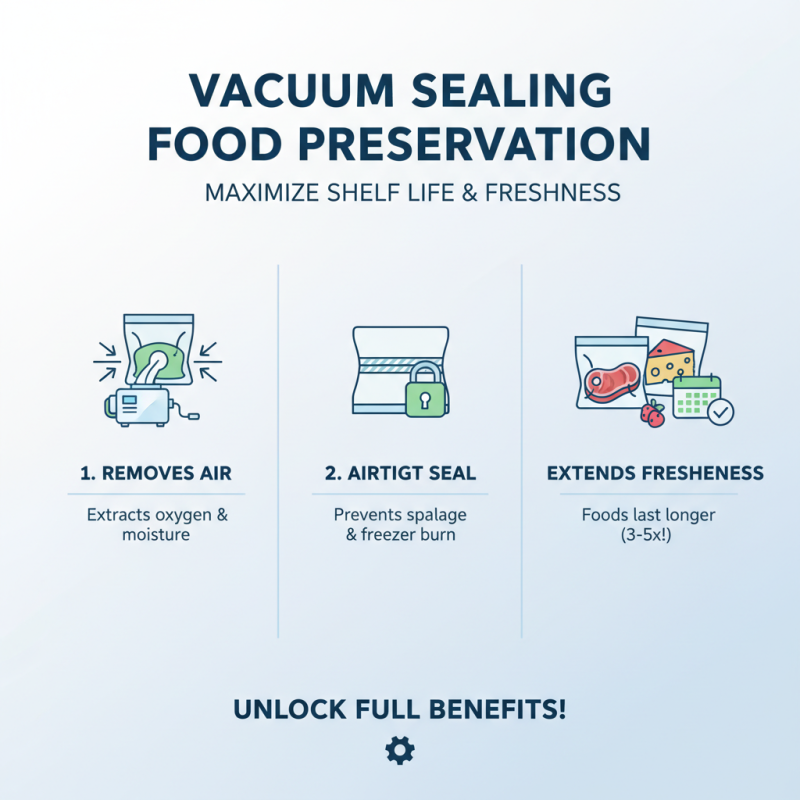
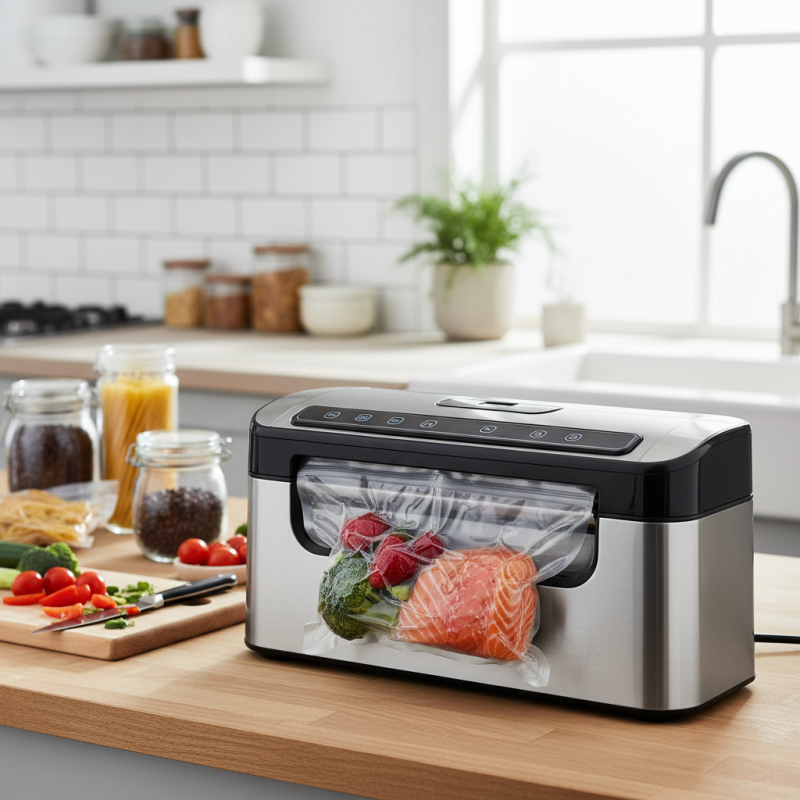
Vacuum sealing technology plays a crucial role in food preservation. It removes air from bags before sealing them tightly. This process helps in preventing spoilage and extending the shelf life of various foods. However, understanding how it works is vital to maximizing its benefits.
When air is removed, bacterial growth slows down significantly. This is because many bacteria thrive in oxygen-rich environments. Sealed bags reduce oxidation, keeping food fresher for longer periods. For example, vacuum-sealed fruits can maintain their flavor and nutrients effectively. But improper sealing may lead to air pockets, which can compromise freshness.
The effectiveness of vacuum sealing also relies on the storage conditions. Even the best-sealed bags may fail if stored in warm, humid areas. It's essential to keep them in cool, dry environments. Regularly checking the seals can also help in maintaining quality. Mistakes can happen, and it’s worth reassessing techniques to achieve better results.
Key Features to Consider When Choosing a Vacuum Sealing Machine
When selecting a vacuum sealing machine, several key features should be considered to ensure optimal food storage and freshness. One of the most critical aspects is the sealing capability. Machines vary in their ability to create airtight seals. A study from the Food Safety Inspection Service found that proper vacuum sealing can extend the shelf life of food by 3 to 5 times. This underscores the necessity for robust sealing performance and reliability.
Another important feature is the machine's operation type. Some models offer automatic sealing, while others require manual operation. Automatic machines often provide a more user-friendly experience. An industry report by the Vacuum Technology Association indicated that users prefer machines with simple controls and quick operation, which can improve overall satisfaction and reduce food waste. The ideal machine not only preserves food but also fits seamlessly into varied kitchen workflows.
Consideration of the unit's size and design is essential as well. A compact design may save counter space but could limit bag size. Conversely, larger machines might take up more room but allow for bulk sealing, which is beneficial for meal prep. Ultimately, the goal is to find a balance between space management and functionality. Each user's needs may differ, leading to potential dissatisfaction if the wrong choice is made.
Best Vacuum Sealing Machines for Food Storage and Freshness
Top Vacuum Sealing Machines Reviewed for Quality and Performance
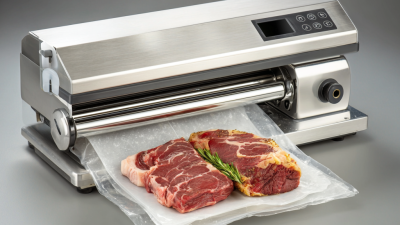
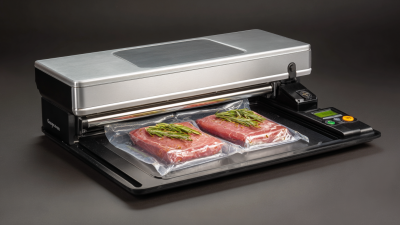
When it comes to maintaining food freshness, a vacuum sealing machine plays a vital role. These devices are designed to remove air from bags, effectively sealing food items. This process extends shelf life significantly, reducing spoilage and waste.
When selecting a vacuum sealer, various factors come into play, including suction power and sealing mechanisms.
Quality vacuum sealers often feature adjustable settings for different food types. Some machines can handle delicate items, while others are best for meat and vegetables. The reliability of the sealing process is crucial. If not sealed properly, your food may spoil quickly. Many models boast user-friendly designs, but their performance varies. Researching reviews allows you to gauge their durability and efficiency.
Performance is key. The best machines provide consistent results over time. Look for those that are easy to clean and maintain. While many options may seem appealing, not all will meet your needs perfectly. You may find models that struggle with thicker bags or inconsistent seals. Reflection on common challenges can guide your choice, ensuring you invest wisely in food preservation technology.
Comparative Analysis of Vacuum Sealers: Manual vs. Automatic
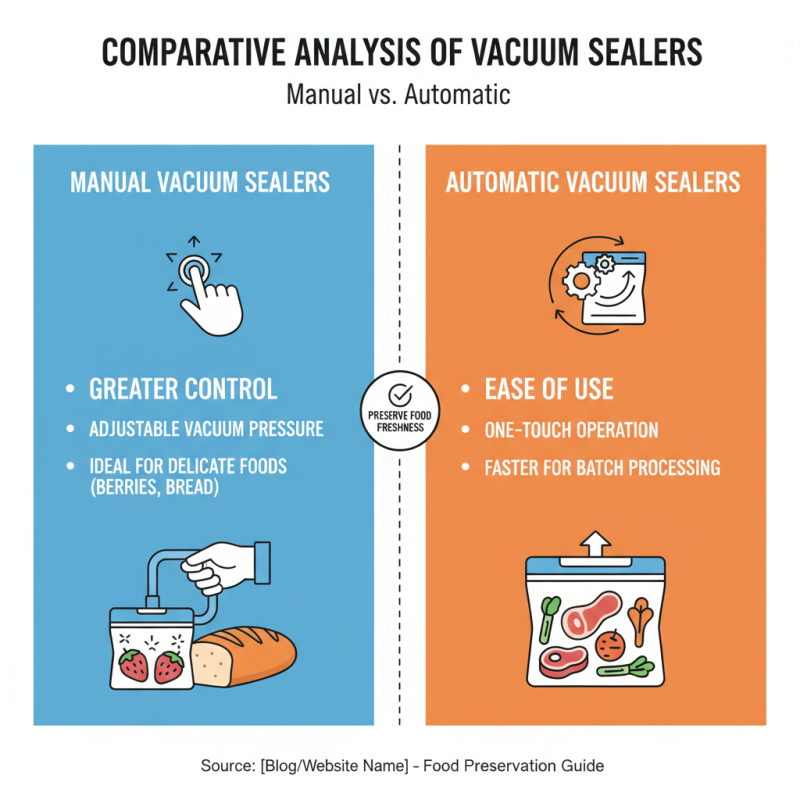
Vacuum sealers are essential for preserving food freshness. When comparing manual and automatic models, each has unique benefits. Manual vacuum sealers often offer greater control over the sealing process. Users can adjust the vacuum pressure depending on food types. This flexibility is crucial for delicate items like berries or bread.
On the other hand, automatic sealers provide convenience and speed. With just a push of a button, you can seal multiple bags in minutes. Industry reports indicate that automatic sealers reduce air exposure by up to 90%. This significant reduction can extend food storage life by several months, which is particularly valuable in reducing food waste.
However, both types have limitations. Manual sealers require more user engagement, which may result in inconsistent sealing. Some users might find it cumbersome, especially during high-volume tasks. Automatic sealers can sometimes malfunction, leading to failed seals. These factors highlight the importance of thorough research before purchasing. Understanding your needs can make a substantial difference in your food storage experience.
Best Practices for Using Vacuum Sealers to Maintain Food Freshness
Vacuum sealing is a popular method for extending food freshness. Studies indicate that vacuum sealing can increase the shelf life of perishables by up to five times. Proper techniques are crucial in achieving optimal results. One key practice is pre-freezing foods like fruits or cooked meals. Freezing prior to sealing prevents crushing and maintains shape.
It's also important to avoid overfilling bags. Leaving adequate space ensures a tight seal and prevents air from seeping in. According to industry data, improper sealing can reduce vacuum efficiency by 20%. Always inspect the seals after vacuuming; any leaks could lead to spoilage.
Temperature plays a significant role as well. Vacuum-sealed foods should ideally be stored in cool, dark places to prevent quality deterioration. Furthermore, while vacuum sealing is effective, it's not foolproof. Some moisture can still transfer over time, hence monitoring food periodically is beneficial. By understanding these nuances, users can effectively use vacuum sealers to maintain food freshness.
Best Vacuum Sealing Machine for Food Storage and Freshness
| Feature |
Description |
Best Practices |
| Sealing Method |
Heat sealing for durable, airtight storage. |
Ensure proper bag alignment for a secure seal. |
| Bag Compatibility |
Compatible with various types of vacuum bags. |
Use only manufacturer-recommended bags for optimal results. |
| Vacuum Strength |
Adjustable vacuum settings for different food types. |
Select appropriate setting to avoid crushing delicate items. |
| Power Consumption |
Energy-efficient design for everyday use. |
Regularly clean the machine to maintain efficiency. |
| Portability |
Compact and lightweight for easy storage. |
Store in a cool, dry place when not in use. |