How to Choose the Best Packaging Machines for Your Business?
Choosing the right packaging machines can significantly impact your business. The right machines ensure product safety and enhance efficiency. However, the multitude of options can be overwhelming.
Consider the specific needs of your business. Are you dealing with fragile items or bulk products? Each requirement dictates a different type of machine. Researching various packaging technologies is essential. You might face challenges, like navigating through various brands and specifications. Understanding the features that matter most is crucial.
Quality matters when investing in packaging machines. A well-chosen machine can improve productivity and reduce waste. However, selecting based solely on price can lead to disappointing results. Look for machines that offer reliable performance over time. Balancing cost and quality is key to making a worthwhile investment in packaging solutions.
Understanding Different Types of Packaging Machines and Their Applications
When choosing packaging machines, understanding their types and applications is critical. There are several categories to consider, including
horizontal form-fill-seal (HFFS),
vertical form-fill-seal (VFFS), and
case packing machines. Each machine type serves distinct functions. For instance, HFFS machines are ideal for products that need to be packaged quickly to maintain freshness. Reports indicate that the market for form-fill-seal machines is projected to grow by 5.8% annually through 2027.
VFFS machines excel in flexibility, suitable for various products like granules or powders. They can adapt to different bag sizes and materials. According to a study by Smithers Pira, the demand for VFFS machines is predicted to rise as consumer habits shift towards convenience packaging. Case packing machines, on the other hand, focus on the efficient packaging of bulk products. These machines can handle high speeds and complex configurations.
Selecting the right type demands careful consideration of production needs. Each machine presents unique benefits and limitations. Understanding these factors is essential to avoid costly mistakes. For example, investing in a high-speed machine may not make sense for lower production volumes. This misstep could lead to underutilization and affect ROI. Engaging with reliable sources and expert recommendations can aid in making an informed decision.
Assessing Your Business Needs: Speed, Volume, and Product Type Requirements
Choosing the right packaging machines for your business hinges on understanding specific needs.
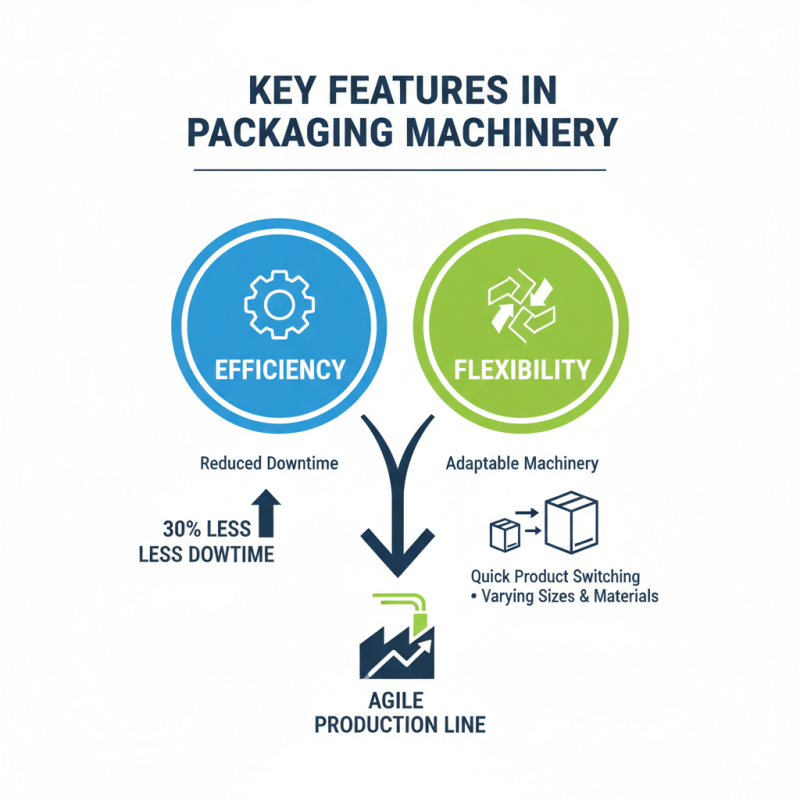
The three critical factors are speed, volume, and product type.
For instance, a report from Smithers indicates that packaging machinery efficiency is directly tied to production speed.
Companies producing over 100 units per minute typically see a 30% rise in overall productivity.
Yet, faster machinery may require a more significant upfront investment.
Assess if your growth trajectory justifies this cost.
Volume plays a pivotal role as well. A study from Packaging World notes that businesses handling over 10,000 units weekly often benefit from automated solutions.
However, the transition can lead to challenges. Many firms report initial hiccups in adjusting workflows.
The type of product also informs machine selection.
Products that are fragile or have diverse shapes may require specialized systems.
A survey from the Packaging Machinery Manufacturers Institute stated 40% of businesses revisited their packaging solutions due to product incompatibility.
Balancing these parameters is essential for a successful packaging strategy.
Evaluating Costs: Investment vs. Long-Term Savings in Packaging Equipment
When evaluating costs for packaging equipment, it’s essential to look beyond the initial investment. A 2021 report by Smithers Pira indicates that investing in automated packaging machines can lead to up to 20% reduction in labor costs. While the upfront expense may be high, the long-term savings can be significant. Automated systems offer improved efficiency and faster production rates, which can increase your overall output.
However, not all businesses may experience the same level of savings. For smaller operations, the capital needed for high-end machines may strain budgets. A study by the Packaging Machinery Manufacturers Institute found that companies with fewer than 50 employees often face challenges in justifying large expenditures on new technology. It's essential to balance potential savings against immediate financial capabilities. Regular maintenance costs also add to the total cost of ownership.
Ultimately, understanding your specific packaging needs is crucial. Machine longevity and replacement timelines should feed into cost evaluations. Regularly assessing workflow and packaging effectiveness can reveal bottlenecks. Test runs with different equipment types may help clarify what best suits your operational model. Being agile and adaptable will ensure your investment remains relevant in changing market conditions.
How to Choose the Best Packaging Machines for Your Business? - Evaluating Costs: Investment vs. Long-Term Savings in Packaging Equipment
| Machine Type |
Initial Investment |
Average Lifetime (Years) |
Annual Maintenance Cost |
Estimated Annual Savings |
| Vertical Form Fill Seal |
$25,000 |
10 |
$1,500 |
$5,000 |
| Horizontal Flow Wrapper |
$30,000 |
8 |
$2,000 |
$4,500 |
| Automated Labeling Machine |
$15,000 |
7 |
$800 |
$3,000 |
| Case Erector |
$40,000 |
12 |
$2,500 |
$6,000 |
| Shrink Wrapper |
$20,000 |
9 |
$1,200 |
$4,000 |
Staying Updated with Industry Trends: Innovations in Packaging Technology
In today’s fast-paced market, staying ahead means embracing the latest innovations in packaging technology. With advancements such as smart packaging, automation, and eco-friendly materials, businesses can enhance efficiency and sustainability. These innovations not only meet consumer demands but also improve operational costs.
When selecting packaging machines, consider their adaptability. Are they flexible enough to handle various product sizes? Machines that can easily switch formats can save time and money in the long run.
**Tips:** Assess the ease of integration into existing systems. Compatibility with current workflows is essential for smooth operation.
Moreover, keep an eye on emerging trends. For instance, smart packaging uses QR codes and sensors for better customer interaction. This can provide businesses with valuable data while enhancing the consumer experience.
**Tips:** Regularly attend industry events and workshops. Networking can uncover new technologies that may benefit your business.
Investing in the right packaging machines can yield significant returns. However, not all solutions will be perfect right away. Be prepared to experiment, learn from challenges, and adapt.
Trends in Packaging Technology (2023)