How to Choose the Best Liquid Filling Machine for Your Needs?
In the world of packaging, the selection of the right Liquid Filling Machine can significantly impact efficiency. According to John Smith, an industry expert with over 20 years of experience, “Choosing the right machine requires careful consideration of your specific needs.” This insight highlights the importance of understanding what each machine offers.
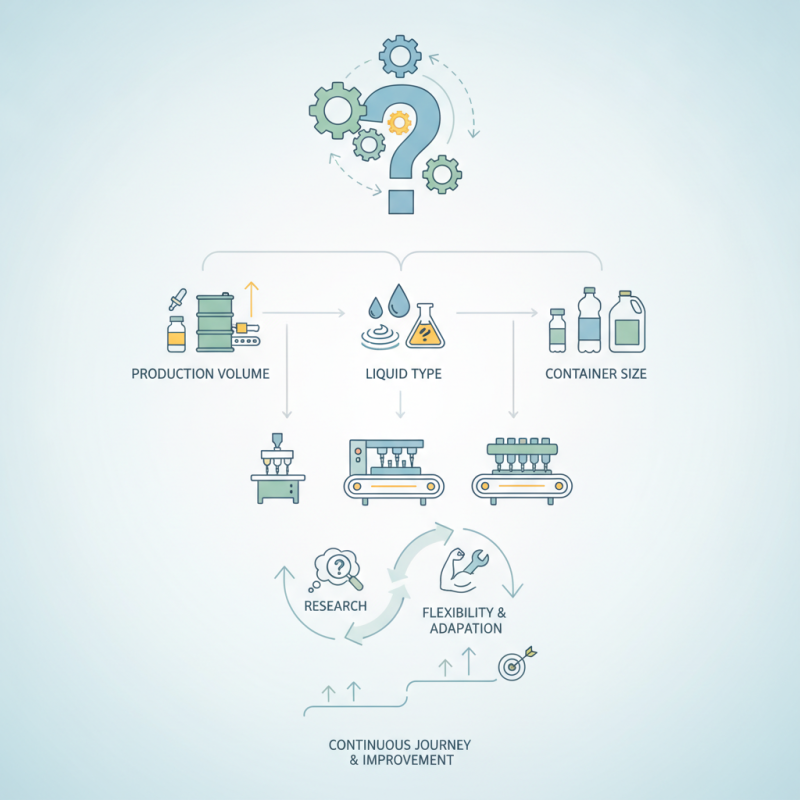
Liquid Filling Machines come in various types and designs. Factors such as production volume, type of liquid, and container size can influence your choice. A machine that works well for one product may not be suitable for another. Therefore, researching your options is critical. Reflect on what your business truly requires; it might not align with initial assumptions.
Investing in a Liquid Filling Machine without thorough evaluation can lead to inefficiencies. As production needs change, your equipment may need to adapt. Prioritize flexibility when selecting a machine. Remember, aiming for the perfect fit is a continuous journey that requires ongoing evaluation and improvement.
Understanding the Different Types of Liquid Filling Machines
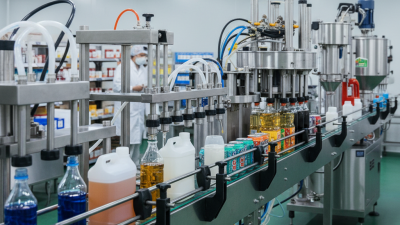
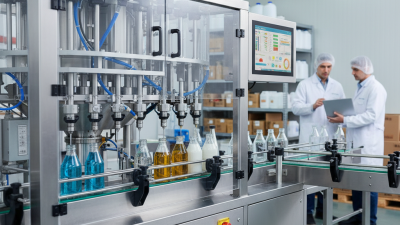
When selecting a liquid filling machine, it's crucial to understand the various types available. Each type serves different needs. Gravity fillers, for instance, are common for thin liquids like water or juices. They work on the principle of gravity, allowing the fluid to flow into containers naturally. However, they might not be ideal for thicker liquids, as the filling process can be slow and less precise.
Pneumatic fillers use air pressure to control filling. This method is versatile, accommodating a range of liquid viscosities. It's especially effective for both thick and thin liquids. The trade-off is the required maintenance and the potential for air bubbles, which can spoil product quality. For highly viscous or sensitive products, consider gear pumps or peristaltic fillers. These machines provide accurate, repeatable fills but may involve higher upfront costs and technical setup.
Before deciding, evaluate your product's viscosity and packaging needs. Each machine type has strengths and weaknesses. It’s essential to reflect on how they align with your production goals. Are speed and efficiency your top priorities, or is precision the key? Thorough research can save costs and reduce waste.
Comparison of Different Types of Liquid Filling Machines
Evaluating Your Product Specifications and Requirements
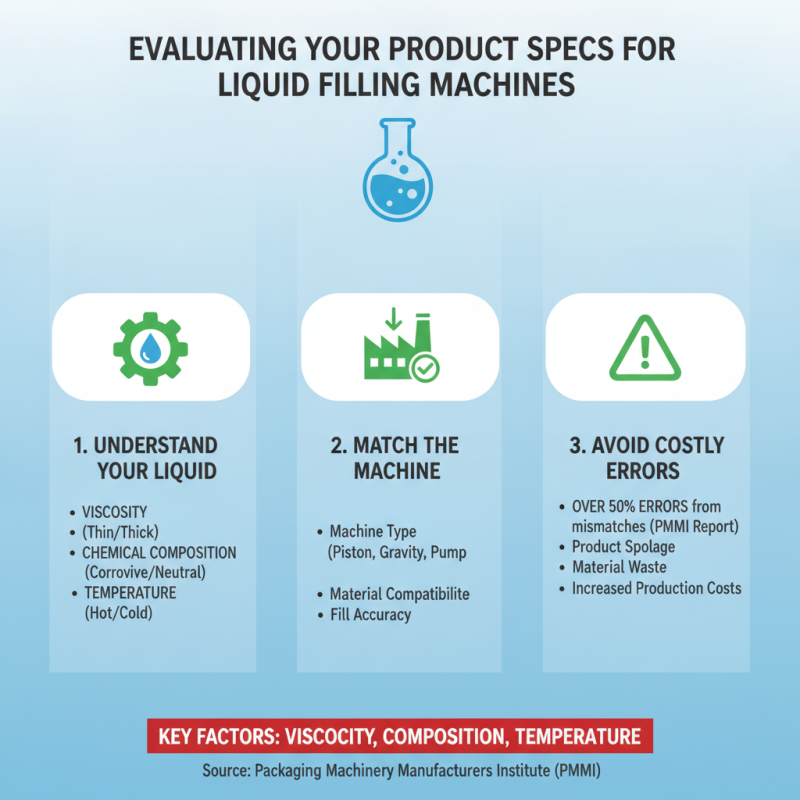
When choosing a liquid filling machine, understanding your product specifications is crucial. The type of liquid being filled can greatly influence the machine selection process. Viscosity, chemical composition, and temperature are essential factors to consider. For example, a report from the Packaging Machinery Manufacturers Institute states that over 50% of production errors stem from mismatched fill systems. This can lead to product spoilage, wasted materials, and increased production costs.
Another critical aspect is the container type. Bottles, pouches, or jars each require different filling technologies. Based on industry studies, nearly 70% of businesses reported issues when using ill-suited machines for their container types. This often results in a higher rate of rejections and a decrease in operational efficiency. It’s essential to evaluate the geometry and material of your containers, ensuring compatibility with the filling machine.
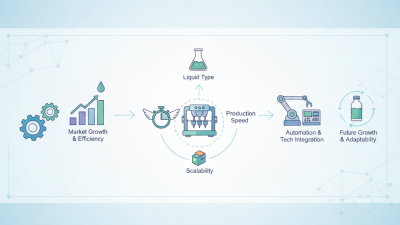
Lastly, considering your production outputs is paramount. An underperforming machine can hinder scalability. Reports show that 80% of companies fail to meet demand due to inadequate filling equipment. Reflecting on these aspects can help avoid costly mistakes. A thorough assessment ensures you choose a machine that aligns with both your current needs and future growth plans.
Considering Production Speed and Efficiency Needs
When selecting a liquid filling machine, production speed and efficiency are vital. Assess your production goals carefully. Are you filling small batches or high volumes? Each scenario requires different machine capabilities. High-speed machines can handle thousands of bottles per hour. But if your products vary in size, a more versatile option may be necessary. This decision affects not only output but operational costs.
Trial runs can reveal flaws in your process. Sometimes, machines may have a speed that looks impressive on paper but falters in real-life conditions. Monitor how frequently you need to recalibrate or stop the machine. Efficiency is not just about speed; it includes reliability and downtime management. A slower machine that operates without issues may be more effective than a fast one that constantly breaks down.
Consider the flexibility of the machine for future needs. Some models allow easy adjustments for different liquid types and container sizes. This adaptability can significantly impact long-term efficiency. Reflect on your current setup and anticipate future changes in demand. Balancing speed with reliability is crucial for sustained productivity.
Assessing Budget Constraints and Cost-Effectiveness
Choosing the right liquid filling machine is crucial for your production line. Budget constraints often play a major role in this decision. According to industry reports, nearly 55% of manufacturers cite cost as a key deciding factor. This highlights the need for careful financial planning.
When assessing cost-effectiveness, consider the total cost of ownership. This includes not just the initial purchase price but also maintenance, labor, and energy consumption. A machine that costs less upfront might incur higher long-term expenses. A recent survey indicated that businesses saved an average of 35% on operational costs when investing in automated systems.
Tip: Always calculate the return on investment (ROI) when evaluating options. This will provide clarity on whether a machine fits your budget over time.
Keep in mind that not all machines come with the same features. Some may offer advanced functionalities that can justify a higher price. Research shows that
60% of operators regret under-investing in machinery. Reflecting on your needs now can save costs later.
Tip: Consult with industry experts or attend trade shows to gain insights. This can help you make informed decisions that align with your operational goals.
Exploring Maintenance, Support, and Warranty Options
When choosing a liquid filling machine, maintenance is often overlooked. Regular servicing is crucial to keeping the machine in peak condition. A well-maintained machine reduces downtime and enhances productivity. For example, schedule routine checks for wear and tear. This practice can prevent unexpected breakdowns that disrupt operations.
Support options play a vital role in your selection process. Look for suppliers who offer robust customer support. Having access to technical assistance can save you time and money. Imagine needing urgent help troubleshooting an issue. Quick support can minimize your operational delays.
Warranties are another key factor. A comprehensive warranty reflects a manufacturer’s confidence in their product. However, read the fine print. Some warranties have hidden clauses that can limit coverage. Understanding these details can help you avoid potential costs down the line. Engaging with manufacturers upfront can clarify these concerns.