How to Choose the Right Vacuum Packaging Machine for Your Needs?
Choosing the right Vacuum Packaging Machine is crucial for maintaining food quality and extending shelf life. With many options available, it’s easy to feel overwhelmed. Different models serve different needs, from household use to commercial purposes. You must assess your requirements carefully.
Consider the volume of food you typically package. If you often store large quantities, a heavy-duty Vacuum Packaging Machine may be necessary. Look for features like adjustable sealing times and bag compatibility. These details can greatly impact your experience. Keep in mind that not all machines are created equal, and some may disappoint.
Think about the ease of use and cleaning as well. A complicated machine can lead to frustration. You want something efficient that saves you time. Think back to previous experiences with kitchen gadgets. What worked well? What didn’t? Reflecting on these questions will guide you in making the right choice.
Understanding the Basics of Vacuum Packaging Machines
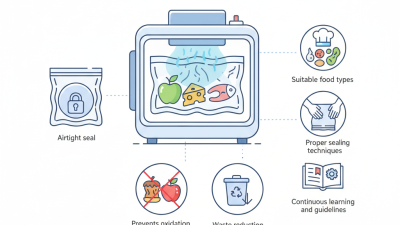
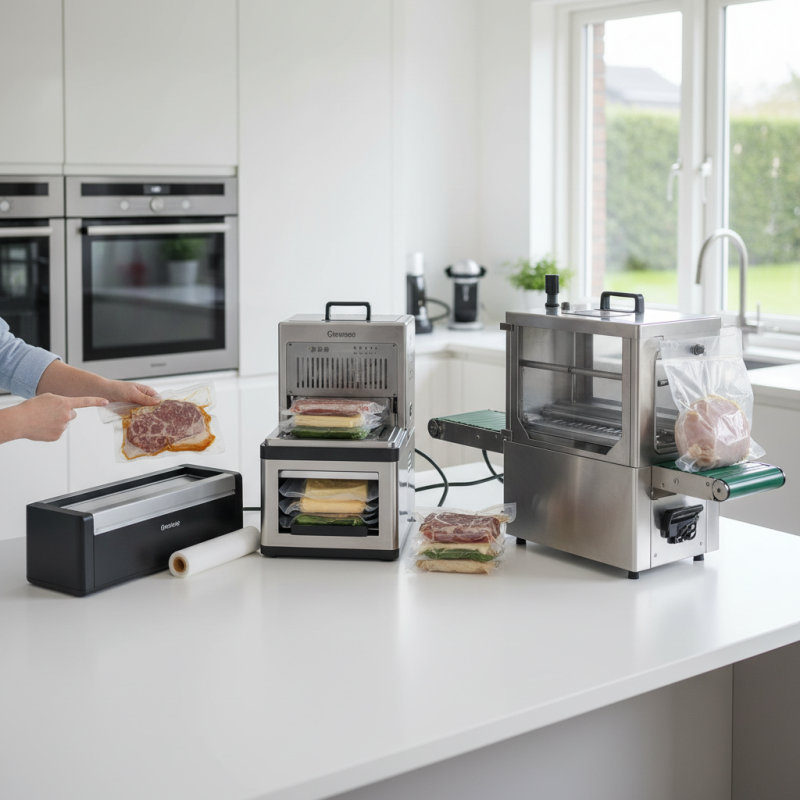
Vacuum packaging machines are essential for preserving food and extending shelf life. These machines use vacuum seal technology to eliminate air, which helps prevent spoilage. Understanding the basics can guide you in selecting the right model. When you look at these machines, consider their versatility. Some models can handle liquids and delicate items, while others focus solely on dry goods.
Efficiency is another vital aspect to consider. A good vacuum packaging machine should be able to seal bags quickly and effectively. The time it takes to create a vacuum affects the overall process. If you often package large quantities, look for a model with a greater capacity. However, high-capacity machines may require more space, which can be impractical for small kitchens.
Maintenance is often overlooked. Regular cleaning is essential to avoid cross-contamination. Some models may not be easy to disassemble, making them harder to clean. This could lead to a buildup of bacteria if not managed properly. Think about the energy consumption as well. While a more powerful machine might seem beneficial, it could lead to higher electricity bills. Balancing power and efficiency is key.
Types of Vacuum Packaging Machines and Their Functions
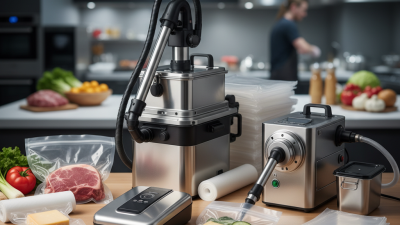
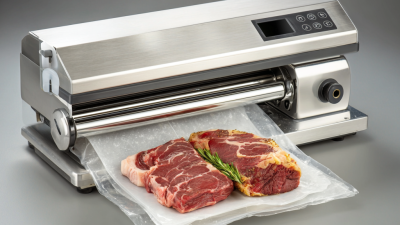
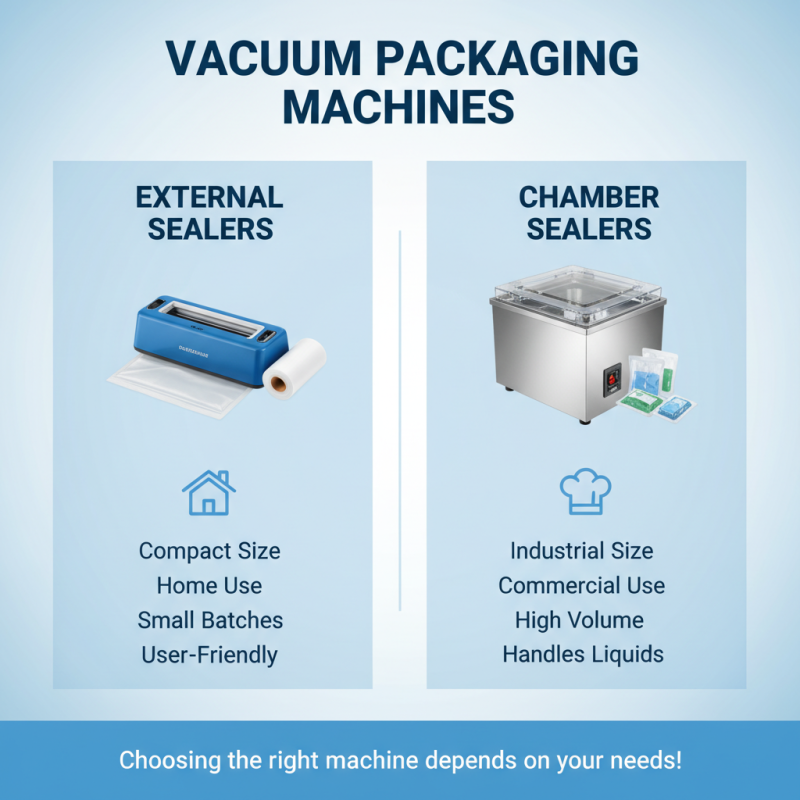
When selecting a vacuum packaging machine, it's crucial to understand the different types available and their functions. There are mainly two categories: external vacuum sealers and chamber vacuum sealers. External sealers are compact and ideal for home use. They are suitable for small batches and are user-friendly. In contrast, chamber vacuum sealers are designed for higher volume tasks. They can handle liquids and provide a tight seal, making them popular in commercial settings.
Tips: Consider what you plan to package. If you often seal liquids, a chamber sealer may be better. For occasional use, an external sealer would suffice. Evaluate the size of the items you want to seal. If you deal with large quantities, opt for a machine that accommodates bigger bags.
Both types can impact freshness and shelf life. However, they also have limitations. External sealers may struggle with moist foods, while chamber sealers require more space and an investment. Choosing the right machine depends on your specific needs and frequency of use. Take time to analyze your requirements before purchasing.
Key Features to Consider When Choosing a Vacuum Packaging Machine
When choosing a vacuum packaging machine, consider its key features. One vital aspect is the
type of sealing. There are chamber and external machines.
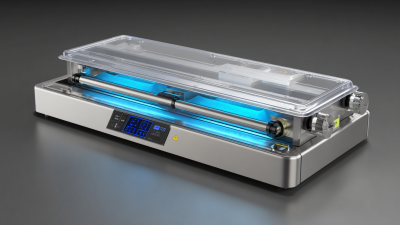
Chamber machines are often preferred for large-scale operations, as they provide a more efficient seal and protect delicate contents.
In contrast, external machines are suitable for home use or small businesses due to their portability and ease of use.
Another critical feature is the vacuum strength. Reports indicate that a vacuum level of
99% or higher can extend food shelf life significantly. The quality of the pump matters.
A high-quality pump ensures consistent vacuuming. Also, look for machines with adjustable settings. This allows flexibility for
sealing different types of food items.
Ease of cleaning is essential too. Machines with removable drip trays simplify maintenance, ensuring hygiene.
User-friendly interfaces and clear instructions enhance operations. A machine that is easy to use encourages more frequent vacuum sealing.
Consider energy efficiency as well; machines that conserve energy can save costs in the long run.
Selecting a vacuum packaging machine tailored to your specific needs can lead to better outcomes.
Assessing Your Specific Needs for Vacuum Packaging
When selecting a vacuum packaging machine, understanding your specific needs is crucial. Consider the types of food you plan to package. Different foods require different sealing techniques. Wet foods, for instance, need reliable suction to maintain freshness. If you need to store delicate items like berries, a machine with adjustable settings is vital.
Think about the volume of packaging. A small machine may suffice for occasional home use. However, frequent users should consider larger, more robust models. Weigh the time you invest in the process. Some machines take longer to heat and seal. Efficiency can affect your workflow, especially in a busy kitchen or small business.
Reflect on storage space too. Compact machines fit well in kitchens with limited counter space. Yet, larger machines might better suit commercial settings. Pay attention to budget but also the machine's longevity. Cheaper models can be tempting but may not meet your long-term needs. Investing in quality often pays off for both home cooks and professionals.
How to Choose the Right Vacuum Packaging Machine for Your Needs?
| Feature |
Description |
Importance Level |
| Size |
Consider the space available and the size of the items you will package. |
High |
| Type of Machine |
Choose between external vacuum sealers or chamber machines based on frequency of use. |
High |
| Vacuum Strength |
Assess the vacuum strength for the type of food packaging needed. |
Medium |
| Speed |
How quickly the machine can vacuum seal items. |
Medium |
| Ease of Use |
Look for user-friendly features and simple controls. |
High |
| Price |
Evaluate cost versus features, keeping budget in mind. |
Medium |
| Maintenance |
Consider the maintenance requirements and ease of cleaning. |
Medium |
Budget Considerations and Cost-Effectiveness in Vacuum Packaging
When considering a vacuum packaging machine, budget is often the primary concern. The cost of these machines can vary significantly, from entry-level models priced around $200 to high-end commercial units that may exceed $3,000. According to industry reports, investing in a reliable vacuum packaging machine can improve long-term savings by extending the shelf life of food products by up to 5 times. This is crucial for businesses aiming to minimize waste while ensuring product quality.
Cost-effectiveness also hinges on understanding your needs. Operators should assess the volume of packaging required. For occasional home use, a less expensive model may suffice. However, businesses requiring high throughput should opt for machines capable of handling larger quantities efficiently. Certain studies show that commercial machines, despite their higher upfront cost, often deliver better durability and performance, leading to greater savings over time.
Moreover, maintenance costs should not be overlooked. Some machines may require more frequent servicing, which adds to total expenses. It is essential to balance the initial investment with long-term operating costs. Reliability and performance are necessary to ensure that your choice aligns with your packaging goals and budgetary constraints. Assessing both initial and ongoing expenses can help users make a more informed decision.