Why Invest in a Label Printing Machine for Your Business?
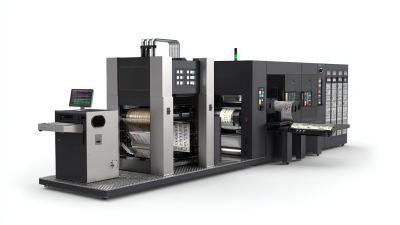
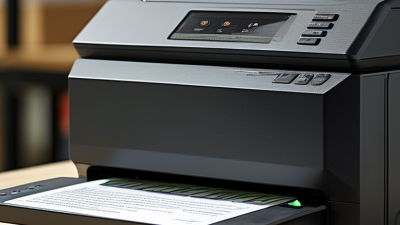
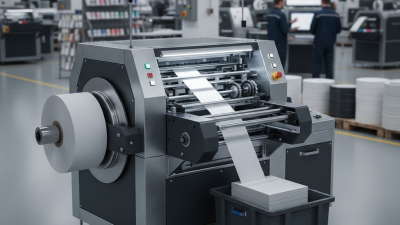
Investing in a Label Printing Machine can transform your business. It enhances branding opportunities and improves efficiency. Custom labels promote professionalism and attract customers. They provide essential information right at a glance. Utilizing a Label Printing Machine can streamline production processes. This ensures you meet market demands promptly.
Businesses often overlook the power of good labeling. High-quality labels can boost your product visibility. However, choosing the right machine is challenging. Many options exist, and not all are suitable for every business. Reflecting on your specific needs is crucial. The right equipment can provide a competitive edge.
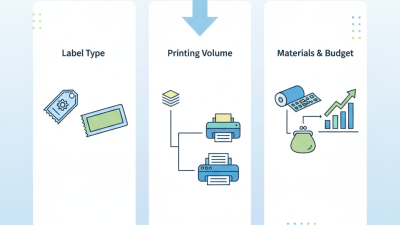
A Label Printing Machine should match your production scale. Assess your company’s growth potential and budget. Consider maintenance and ease of use too. Investing in technology reflects your commitment to quality. Yet, remember that with technology comes the need for training. Mistakes can occur, but they’re a part of the learning process. Embrace the journey, and see how a Label Printing Machine can change your business landscape.
Benefits of Owning a Label Printing Machine for Small Businesses
Investing in a label printing machine can significantly enhance small businesses. With this technology, time is saved. No longer will companies wait on third-party printers. Instead, they can print labels as needed. This agility allows for quick response to changing market demands.
Owning a label printing machine offers cost savings as well. Businesses reduce outsourcing costs. While the upfront investment can be hefty, the long-term financial benefits are substantial. Inventory management also improves. Custom labels enable better categorization of products, simplifying tracking.
However, some challenges arise. Not every company will need high volumes of labels. The learning curve can be steep for new users. Maintenance is also a factor to consider. Regular upkeep ensures consistent quality. Small businesses should weigh the pros and cons carefully before making a choice.
The Cost-Effectiveness of In-House Label Production
Investing in an in-house label printing machine can significantly enhance a business's cost-effectiveness. According to a report by Smithers Pira, companies can save up to 30% on label production costs by producing labels in-house. With traditional outsourcing, every order incurs shipping fees and longer lead times. By transitioning to in-house production, businesses can efficiently manage costs while maintaining flexibility.
Furthermore, in-house label production allows for rapid response to market changes. Businesses can quickly adapt their labels to meet evolving consumer preferences. This capability is especially relevant in industries like food and beverage, where label regulations may change frequently. A quick pivot can prevent revenue loss associated with outdated labels. However, the initial investment in equipment can be daunting for some.
Realizing the full benefits requires careful consideration of operational needs. Companies must assess their average label volume and printing requirements. While some may find the in-house approach beneficial, others may struggle with equipment maintenance and workflow disruptions. Overall, embracing in-house label production should be a thoughtful choice for any business looking to optimize their operations and cost efficiency.
How Label Printing Machines Enhance Branding and Marketing Efforts
Investing in a label printing machine can transform your branding efforts. Labels are often the first touchpoint for customers. An attractive label can capture attention and communicate key messages about your product. High-quality labels help brands stand out on the shelf. This visual appeal can significantly influence purchasing decisions.
Beyond looks, label printing machines provide flexibility. You can create custom designs that reflect your brand’s identity. Small businesses can print small batches while testing new designs. This agility allows for quick adjustments based on market feedback. However, not all designs may resonate with customers. Relying solely on in-house printing can lead to inconsistent quality or missed opportunities.
Moreover, integrating labels into your marketing can enhance your overall strategy. Labels can convey vital information, such as ingredients or usage instructions. They can also serve as a platform for promotions or QR codes. However, overloading labels with information can confuse consumers. Striking the right balance between attractive design and necessary information is crucial. Investing in a quality label printing machine brings both control and enhancement to your branding efforts.
Industry Trends: The Growing Demand for Customized Labels
The demand for customized labels is rising across various industries. Many businesses seek to enhance their brand identity. Customized labels help products stand out in crowded markets. This trend reflects a shift towards personalization in consumer preferences. Customers want products that feel unique and tailored to them.
As companies respond to this demand, investing in a label printing machine can be a game changer. It allows businesses to produce labels on-site, ensuring quality and consistency. This not only reduces lead times but also minimizes reliance on third-party suppliers. Flexibility is crucial; businesses can test different designs quickly. However, this also means businesses need to keep up with evolving technologies.
The challenge lies in balancing quality and cost. While investing in advanced machinery may seem costly initially, the long-term savings can be significant. Over time, as demand grows, in-house production can yield better margins. Yet, it requires careful planning and strategy. Businesses must evaluate their specific needs and how to adapt to market changes. Embracing customization is vital, but it requires ongoing reflection and adjustment.
ROI Analysis: Measuring the Financial Impact of Label Printing Investments
Investing in a label printing machine can significantly enhance your business operations. The financial impact of such an investment, known as ROI, is crucial to understand. When analyzing ROI, you begin with initial costs, including purchase and maintenance. These can be substantial. However, these expenses often create a ripple effect of savings and increased revenue over time.
Consider the reduction in outsourcing. By producing labels in-house, businesses save costs associated with third-party services. This not only leads to lower expenses but also improves turnaround time. The flexibility to create custom labels can enhance branding and marketing efforts. Customization often attracts more customers, leading to increased sales.
However, measuring ROI is not always straightforward. Factors like market demand and production efficiency must be considered. It’s essential to track data and adjust strategies based on performance. A business may initially overlook certain costs, like training staff to use new equipment, which can impact overall profitability. The insights gained from these reflections can guide investment decisions moving forward.
ROI Analysis of Label Printing Machine Investments
This chart illustrates the financial impact of investing in a label printing machine for a business. It compares the initial cost of the machine against the operational savings and increased sales generated, showcasing a positive total ROI.