Top 10 Heat Sealing Machines for Global Buyers in 2026?
In the evolving landscape of packaging technology, the Heat Sealing Machine stands as a crucial tool. Its role in ensuring product integrity and extending shelf life has become more prominent. As we approach 2026, the demand for high-quality heat sealing machines is skyrocketing. Industries across the globe are striving for efficiency and sustainability.
Choosing the right heat sealing machine is essential. Different models cater to various materials and production scales. A reliable machine can significantly impact packaging efficiency. Buyers often face challenges in selecting machines that combine affordability with performance. Some machines may not deliver the promised results, leading to wasted resources. It is vital to research and compare options thoroughly.
The right heat sealing machine can elevate packaging processes. However, potential buyers should remain cautious. Invest time in assessing features, specifications, and user reviews. A well-informed decision leads to long-term benefits. As 2026 approaches, understanding the market trends and technological advancements in heat sealing machines is more important than ever.
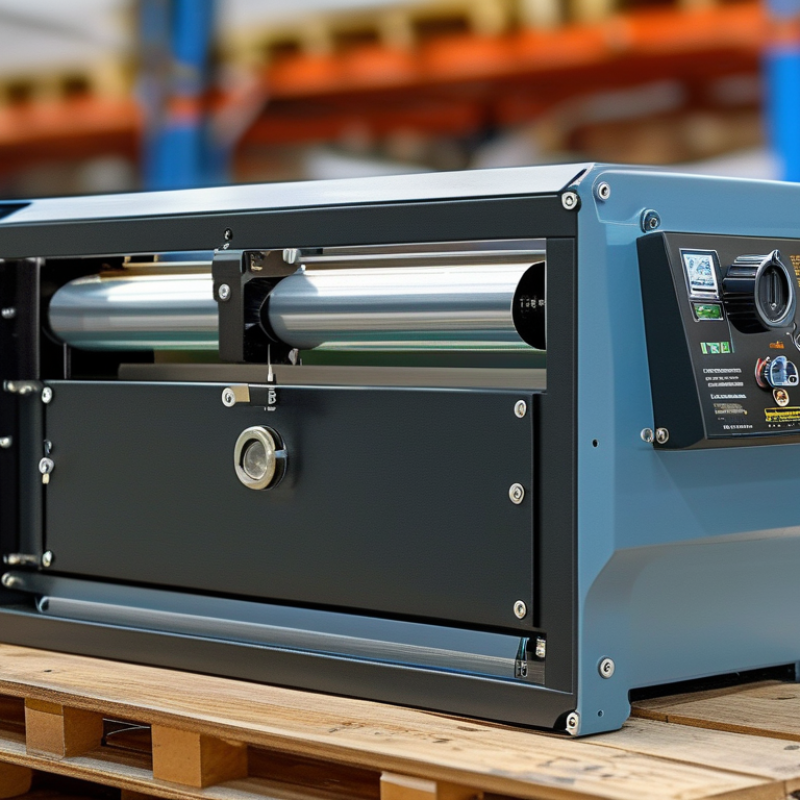
Overview of Heat Sealing Machines and Their Importance in Packaging
Heat sealing machines play a crucial role in the packaging industry. They are essential for creating airtight and tamper-proof seals. These machines ensure that food products maintain freshness while extending shelf life. Businesses recognize the importance of reliable sealing techniques for product integrity.
The technology behind heat sealing has evolved over the years. Modern machines offer higher efficiency and precision. They are capable of sealing a variety of materials, including plastics and foils. However, challenges remain. Some machines have a steep learning curve. Proper training for operators is vital to prevent errors. Regular maintenance is equally important to ensure consistent performance.
In a rapidly changing market, the demand for innovative packaging solutions continues to grow. Companies must adapt to changing consumer preferences. Eco-friendly packaging options are becoming increasingly popular. This shift forces manufacturers to rethink sealing methods. Balancing efficiency, cost, and sustainability presents ongoing challenges. Businesses must remain vigilant to stay competitive in this dynamic landscape.
Key Features to Consider When Selecting a Heat Sealing Machine
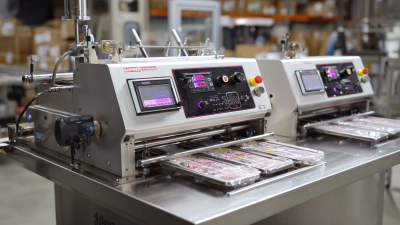
When selecting a heat sealing machine, key features play a decisive role. The sealing method is one crucial aspect to consider. Different methods, like impulse and continuous sealing, serve various needs. For example, impulse sealing is ideal for lightweight materials. Continuous sealing may be better for larger production runs.
Temperature control is another vital feature. Precise temperature settings ensure reliable seals. Machines with adjustable temperature options provide flexibility for various materials. This can prevent burns or weak seals, which can lead to product failures. Moreover, the sealing width matters. Wider sealing areas yield stronger seals, but may require larger machines.
User-friendliness can't be overlooked. Machines should have intuitive controls to minimize training time. Complexity in operation can slow down production. Maintenance and durability are worth assessing, too. A machine that breaks down often can disrupt workflows, leading to losses. Balancing these aspects is crucial, as every decision affects overall efficiency and output.
Top 10 Heat Sealing Machines for Global Buyers in 2026
This bar chart displays the performance ratings of the top 10 heat sealing machines expected to be favored by global buyers in 2026. Each machine is rated based on key features and reliability, providing insight into the market trends for heat sealing technology.
Top 10 Heat Sealing Machine Brands for Global Buyers in 2026
When considering heat sealing machines, reliability and efficiency are paramount. The market offers various brands acclaimed for their performance and durability. These machines cater to diverse industries, including food packaging and medical supply. Buyers should pay attention to features that enhance usability and efficiency.
Innovative technology is a major factor driving brand choices. Many companies focus on creating machines that are easy to operate yet robust in sealing capabilities. Factors such as speed, temperature control, and energy consumption play a significant role in the selection process. It's important to investigate maintenance requirements. A machine that frequently needs servicing can disrupt production lines.
Not every machine is perfect. Some users report issues with inconsistent sealing or difficulty in calibration. Buyers should weigh these experiences carefully. Hands-on demonstrations and testimonials can provide invaluable insights. It is essential to ask questions and seek clarity before making a purchase. In this evolving industry, keeping abreast of new technology can help buyers make informed decisions.
Comparative Analysis of Heat Sealing Technologies and Their Applications
Heat sealing technology continues to evolve, offering innovative solutions for various industries. By 2026, the demand for efficient heat sealing machines is expected to rise significantly. According to industry reports, the packaging market alone is projected to grow at a CAGR of 4.3% over the next few years. This growth reflects a surge in consumer goods, food packaging, and pharmaceutical sectors, all of which rely on effective sealing methods to ensure quality.
Different heat sealing technologies cater to specific applications. For instance, continuous heat sealers are ideal for high-volume production environments. They provide a fast sealing process. In contrast, impulse sealers are suitable for smaller batches and offer flexibility. Each method has its strengths and weaknesses. For example, continuous sealers can lead to excessive heat exposure if not properly calibrated. Consider evaluating your production needs carefully before selecting a technology.
Tip: Always assess the materials you will be sealing. Different plastics respond uniquely to heat. Choosing the wrong setting can lead to compromised seals. Additionally, keep maintenance in mind. Regular inspection prevents unexpected breakdowns, ensuring uninterrupted operations. Stay informed about best practices and seek reviews from reputable sources.
Market Trends and Innovations in Heat Sealing Machines for 2026
As the heat sealing machine market evolves, several key trends shape its future for 2026. The demand for eco-friendly packaging solutions grows steadily. According to a recent report from Research and Markets, the global heat sealing machine market is expected to reach $3.5 billion by 2026. This shift is driven by increased consumer awareness about sustainability and environmental impact. Manufacturers must adapt to these changes.
Automation is another pivotal trend influencing the industry. A study conducted by MarketsandMarkets highlights that automation can increase production efficiency by 30%. Businesses are investing in advanced heat sealing technologies that integrate automated processes to achieve higher consistency and speed. However, the challenge remains: balancing automation with quality control. Machines that prioritize safety and precision will stand out.
Innovation in designs also plays a crucial role. Emerging technologies, such as adjustable sealing temperatures and advanced sensors, are revolutionizing the efficiency of heat sealing machines. The ability to customize settings for different materials enhances flexibility. Yet, there is a potential downside. Continuously evolving technology may lead to steep learning curves for operators, requiring additional training and adaptation. Companies must address this skill gap to avoid operational disruptions.