What is a Vacuum Sealing Machine and How to Use It?
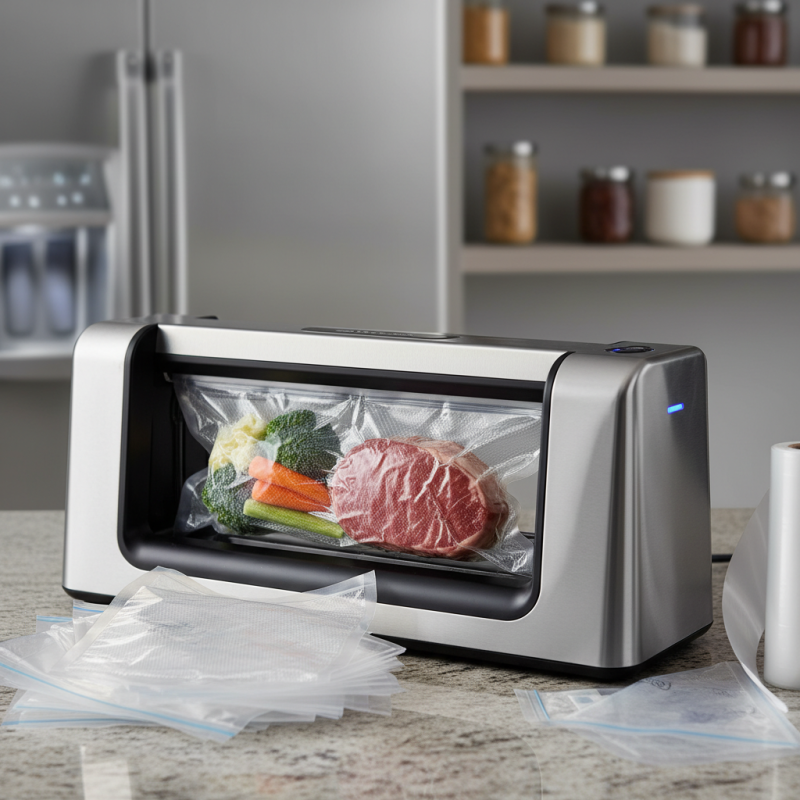
A Vacuum Sealing Machine is a versatile tool for preserving food. It works by removing air from bags, creating an airtight seal. This process extends the shelf life of various items, keeping them fresh longer. Many find it useful for storing leftovers, marinating meats, or preparing meal kits.
Using a Vacuum Sealing Machine may seem straightforward, but there are nuances to consider. For instance, not all bags are compatible. Some users struggle with getting the seal just right. The machine requires regular cleaning and maintenance to function best. Overlooking these details can lead to less effective sealing and food spoilage.
While the benefits are clear, it’s essential to be aware of potential pitfalls. Improperly sealed bags can allow air in, leading to freezer burn. Thus, understanding your machine's features is crucial. This guide will explore the practical aspects of vacuum sealing and provide helpful tips for maximizing its potential.
What is a Vacuum Sealing Machine?
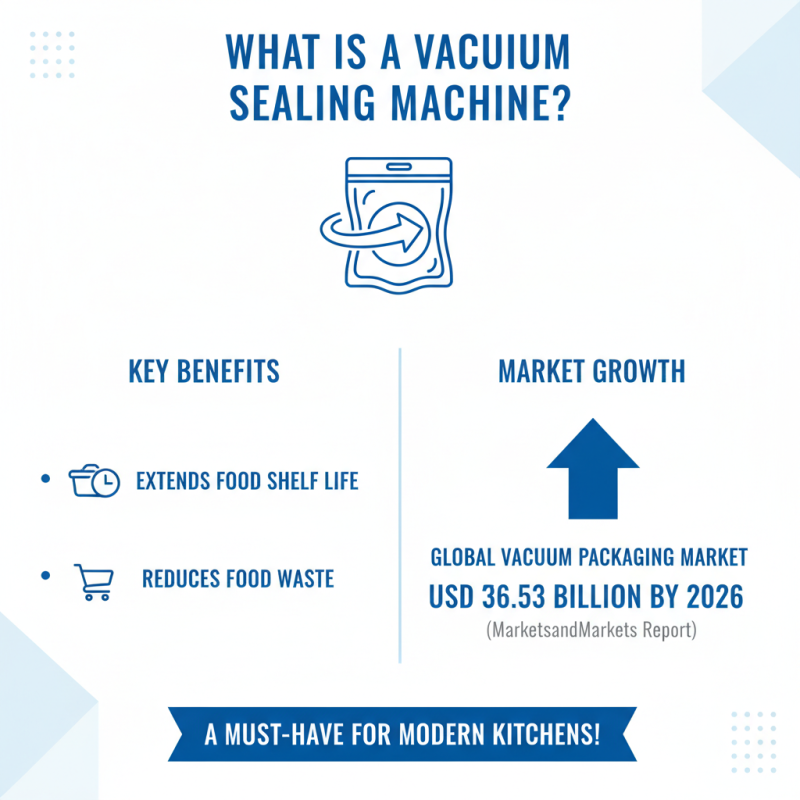
A vacuum sealing machine is a valuable tool for both home cooks and food storage enthusiasts. This device removes air from packaging, effectively extending the shelf life of food. According to a report by MarketsandMarkets, the global vacuum packaging market is expected to reach USD 36.53 billion by 2026, driven by growing consumer demand for convenient food storage.
These machines operate by creating a tight seal around food items, which helps prevent oxidation and spoilage. The USDA states that vacuum sealing can keep foods fresh in the freezer up to five times longer than traditional methods. However, it’s crucial to monitor the sealing process. Improper sealing can lead to air leaks, compromising food quality.
While vacuum sealing can significantly enhance food preservation, not all items are suitable for this method. Foods with high moisture content might require special techniques to seal effectively. Additionally, if not used correctly, vacuum sealing can lead to freezer burn, defeating its purpose. Being aware of these nuances can enhance the overall effectiveness of vacuum sealing for food storage. Implementing these practices brings both challenges and opportunities in food management.
The Benefits of Using a Vacuum Sealing Machine
Vacuum sealing machines offer numerous benefits that extend well beyond simple food preservation.
These devices can significantly reduce food waste. According to a report from the Food Waste Reduction Alliance, up to 40% of food in the United States goes uneaten.
Vacuum sealing helps mitigate this issue by extending the shelf life of perishable items, keeping them fresh for much longer.
Moreover, vacuum sealing enhances flavor retention. When food is sealed in an airtight bag, it prevents the infiltration of air, which can degrade taste and texture.
Research indicates that vacuum-sealed food can last up to 5 times longer than traditionally stored items.
This not only saves money but also ensures that meals remain flavorful and enjoyable. However, there’s a caveat.
Improper sealing techniques can lead to moisture buildup, affecting the quality of the food stored.
Additionally, vacuum sealing is versatile. It can be used for marinating meats quickly or for
sous-vide cooking, where food is cooked in a water bath. A survey by the National Restaurant Association revealed that nearly 60% of chefs in the U.S. incorporate vacuum sealing in their culinary processes.
Yet, some home users may overlook the learning curve associated with mastering these machines.
This could lead to frustration or even spoilage if not done correctly. Understanding the equipment is key to unlocking its full potential.
How to Choose the Right Vacuum Sealing Machine
Choosing the right vacuum sealing machine requires careful consideration of several factors. Firstly, assess your needs. Are you sealing food for long-term storage or preparing items for sous vide cooking? Different machines have specific features suited to various purposes. For instance, a heavy-duty model may be ideal for frequent use, while a compact option works for occasional users.
Look at the sealing performance. According to industry reports, devices with a vacuum strength of 25-30 inches of mercury tend to be more effective. Ensure the machine is capable of creating an airtight seal without crushing delicate items. Ease of use is another crucial aspect. A user-friendly interface facilitates quick processing, making everyday meal prep more efficient.
Consider additional features like built-in roll storage and cutter, which add convenience. However, note that not all features may be necessary. Sometimes, more complex devices can feel overwhelming. A basic model can still perform essential tasks effectively. Stay mindful of your budget, as a high price tag doesn't always guarantee quality. Seek reviews and comparisons, but remember that user experiences can vary widely.
Vacuum Sealing Machine Usage Statistics
Step-by-Step Guide on Using a Vacuum Sealing Machine
Using a vacuum sealing machine can extend the life of your food. It removes air from bags, reducing oxidation. This process helps keep fruits, vegetables, and meats fresher for longer periods. Here's a practical step-by-step guide to make the most of your vacuum sealing experience.
Begin by gathering your materials. You’ll need a vacuum sealing machine, bags, and the food you want to seal. Make sure the bags are compatible with the machine. Place the food items inside a bag, ensuring there's enough space at the top. Seal it properly to avoid air pockets.
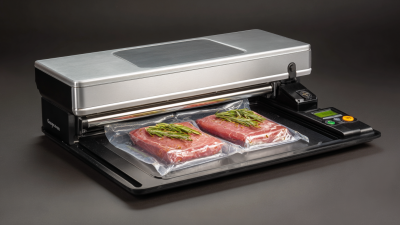
Next, insert the bag into the machine. Some machines have a clear window to check alignment. Close the lid securely to initiate the vacuum process. It can take time, and results may vary. Not every attempt will be perfect. Practice makes better. Once done, check for any air pockets. If you find any, reseal the bag and try again. This process can be finicky, but it’s rewarding when done right.
Tips for Maintaining Your Vacuum Sealing Machine
Maintaining your vacuum sealing machine is essential for optimal performance. Regular care can extend its life and enhance food preservation. Here are a few tips to help you keep it running smoothly.
After each use, clean the sealing area thoroughly. Food residues can affect the machine’s effectiveness. Use a damp cloth to wipe down surfaces. Ensure that there is no moisture left when you’re done. This simple act can prevent bacteria growth and ensure a vacuum seal every time.
Check the gaskets regularly. These rubber pieces create an airtight seal. If they show signs of wear or damage, replace them promptly. A worn gasket will lead to air leaks. This can compromise food storage and spoilage. It’s vital to monitor their condition every few months. Lastly, follow the manufacturer’s instructions for storage. Improper storage can lead to unnecessary wear, making the machine less reliable.
What is a Vacuum Sealing Machine and How to Use It? - Tips for Maintaining Your Vacuum Sealing Machine
| Feature |
Description |
Maintenance Tip |
| Vacuum Seal Types |
External, Chamber, Handheld |
Clean the sealing strip regularly to avoid residue buildup. |
| Common Uses |
Food preservation, Sous vide cooking, Marinating |
Store in a cool, dry place to prevent corrosion. |
| Important Components |
Sealing Strip, Vacuum Pump, Reservoir |
Check for wear and tear on components and replace as necessary. |
| Operating Process |
Fill bag, place bag in machine, seal and vacuum. |
Follow manufacturer guidelines for optimal performance. |
| Safety Tips |
Avoid vacuum sealing liquids, use food-safe bags. |
Inspect bags for leaks before sealing to ensure safety. |