2026 Best Liquid Filling Machine for Global Buyers Guide?
The demand for Liquid Filling Machines is growing rapidly in multiple industries. According to a recent market analysis report, the global liquid filling machine market is projected to reach over $5 billion by 2026. This growth reflects the increasing need for efficient and accurate filling solutions in sectors like food and beverage, pharmaceuticals, and cosmetics.
Liquid Filling Machines come in various types, tailored for different applications. These machines play a crucial role in ensuring product consistency and minimizing waste. However, not all machines are created equal. Buyers often face challenges in selecting the right equipment, as performance can vary significantly based on specifications and technology. Industry experts emphasize the importance of understanding your production needs before investing.
Furthermore, with advancements in automation and smart technologies, the landscape of liquid filling machinery is continuously evolving. Manufacturers must adapt to these changes to remain competitive. It's essential for buyers to remain informed and critical in their evaluation processes, seeking reliable suppliers who align with their operational goals.
Understanding Liquid Filling Machines: A Comprehensive Overview
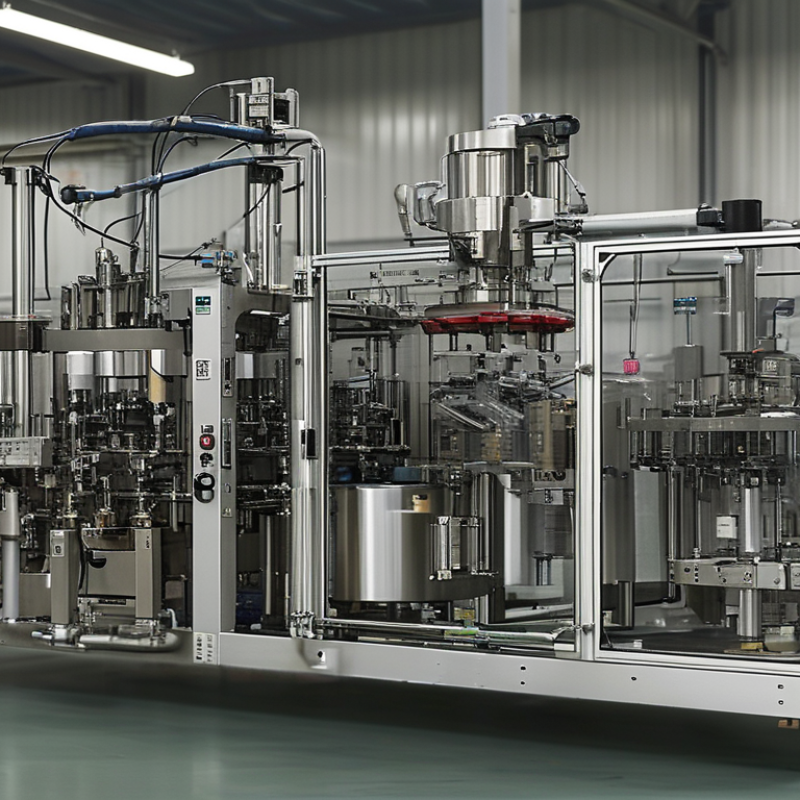
Liquid filling machines are essential in various industries, such as food, beverage, and pharmaceuticals. Understanding how these machines work helps businesses make informed purchasing decisions. These machines streamline production, increase efficiency, and ensure consistent quality.
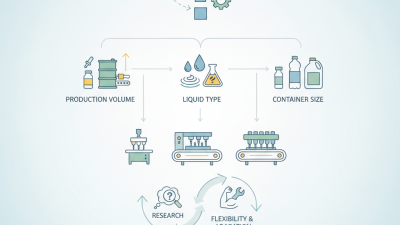
When selecting a liquid filling machine, consider the type of liquid you are filling. Thick liquids require different mechanisms than thin liquids. Pay attention to materials used in construction; they should be compatible with the liquid. It’s important to also assess the filling volume and speed, as this affects your overall productivity.
**Tips:** Evaluate your production needs before choosing a machine. Simple machines may work for low-volume production, but high-demand situations need advanced options. Regular maintenance is crucial, yet often neglected. This can lead to inefficiencies and costly repairs. Balancing cost with quality is essential for a wise investment.
Key Features to Look for in the Best Liquid Filling Machines
When choosing the best liquid filling machine, several key features stand out. First, consider the filling accuracy. Machines should offer precise measurements to minimize waste. A small error during production can lead to significant losses over time. Pay attention to speed as well. A machine that fills quickly can greatly enhance productivity.
Another important feature is the machine's versatility. It should handle various liquid types, including viscous liquids and thin ones. This flexibility is essential for businesses that offer a range of products. Additionally, ease of cleaning and maintenance is crucial. Machines that are difficult to clean can lead to downtime and potential contamination issues.
Tips: Always check for user reviews and testimonials. Real-world experiences provide insights into the machine's reliability and performance. Don’t overlook the importance of customer support from the manufacturer. Prompt assistance can save you from frustrating situations down the line. Investing time in research pays off when selecting the right machine for your needs.
Top Liquid Filling Machine Brands in 2026: A Comparative Analysis
In 2026, the liquid filling machine market is thriving. This growth can be attributed to the rising demand for automation in various industries, particularly food and beverage. According to recent industry reports, the liquid filling machine sector is projected to grow at a CAGR of 6.5% from 2021 to 2026. This significant rise indicates a shift in manufacturing processes toward greater efficiency and precision.
Leading brands are striving to innovate, focusing on user-friendly designs and enhanced technology. Features such as programmable interfaces and quick-change parts are gaining traction among buyers. Data suggests that over 70% of manufacturers seek machines that minimize downtime and maximize throughput. However, disparities in machine compatibility with diverse product types often lead to discontent among users. This illustrates the constant need for improvement and adaptation within the industry.
Furthermore, maintenance costs and service reliability continue to be major concerns. Buyers are increasingly cautious about investing in machines that require frequent repairs. Research shows that nearly 40% of companies cite maintenance issues as critical factors influencing their purchasing decisions. As the market evolves, it's essential for buyers to thoroughly evaluate their needs amidst fluctuating trends and challenges in the liquid filling landscape.
2026 Best Liquid Filling Machine for Global Buyers Guide
| Machine Type |
Filling Speed (bottles/min) |
Filling Accuracy (%) |
Price Range (USD) |
Ideal for |
| Gravity Filler |
20-40 |
95 |
$2,000 - $5,000 |
Low viscosity liquids |
| Pneumatic Filler |
30-50 |
98 |
$3,000 - $7,000 |
Medium viscosity liquids |
| Electronic Filler |
50-100 |
99 |
$4,000 - $10,000 |
High viscosity liquids |
| Vacuum Filler |
25-55 |
97 |
$3,500 - $8,000 |
Carbonated liquids |
| Rotary Filler |
70-200 |
99.5 |
$10,000 - $50,000 |
High-speed production |
Cost Considerations for Liquid Filling Machines: Budgeting Tips
When budgeting for liquid filling machines, understanding costs is crucial. Industry reports indicate that a basic machine can start from $5,000. However, advanced models can exceed $30,000. It’s vital to factor in additional expenses, such as installation and maintenance, which can add 15% to 20% to the initial cost.
Evaluating total cost of ownership can reveal options that offer better long-term value.
Choosing the right machine is more than just the purchase price. Consider production speed. Some machines can fill 120 bottles per minute, while others fill only 30. The difference in efficiency directly impacts productivity and labor costs. In a detailed analysis of filling machines, 40% of manufacturers reported unanticipated costs due to underperformance of cheaper models.
Companies should also evaluate production volume and product type. Specialized machines might seem costly but can reduce waste. The right investment ensures reliability and efficiency. Reports show that 30% of companies spent more on repairs than the machines' initial purchase price. This can create financial strain and hinder growth if not carefully managed. Seeking expert advice can help streamline this process, providing a clearer picture of the market landscape.
Global Market Trends: The Future of Liquid Filling Technology in 2026
The global liquid filling machine market is evolving rapidly. Industry reports indicate that the market is expected to reach $5 billion by 2026, demonstrating a significant growth trend. This surge is driven by increasing consumer demand for packaged liquids in sectors such as food and beverages, pharmaceuticals, and cosmetics. Technology advancements are making these machines smarter and more efficient, enhancing production workflows.
Automation in liquid filling machines is a key trend to watch. An estimated 45% of manufacturing companies are adopting automation technologies by 2026. Automated systems reduce human errors and increase speed. However, this presents challenges, such as the need for skilled technicians to maintain these advanced machines. Manufacturers must balance investment in technology with workforce training.
Sustainability remains a critical consideration. An increasing number of companies are looking for eco-friendly solutions. Data indicates that liquid filling machines utilizing biodegradable materials have grown by 30% in demand. However, the initial investment may deter some businesses. The path forward must address these concerns while ensuring efficiency and reliability in production processes.