How to Choose the Best Vacuum Packing Machine for Your Needs?
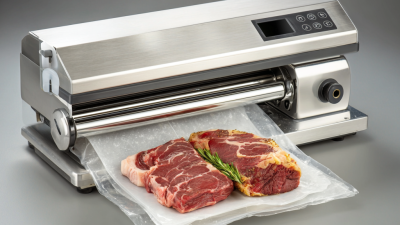
In today's food preservation landscape, a reliable Vacuum Packing Machine is essential for both home cooks and professionals. According to a report by Markets and Markets, the vacuum packing industry is projected to reach $5.5 billion by 2026. This growth underscores the increasing importance of effective food storage solutions.
Selecting the right vacuum packing machine can be daunting. Factors like size, sealing power, and usability play crucial roles in the decision-making process. Industry experts note that many users face difficulties in choosing machines that specifically meet their needs. It’s vital to assess your specific requirements for food types and preservation duration before making a choice.
Moreover, while technology has improved, many consumers still encounter issues with reliability and efficiency. A user-friendly machine that fits within your kitchen space can make all the difference. A thorough understanding of machine features will lead to better food management in your household. Ultimately, the best vacuum packing machine should not only cater to your immediate needs but also allow room for future enhancements.
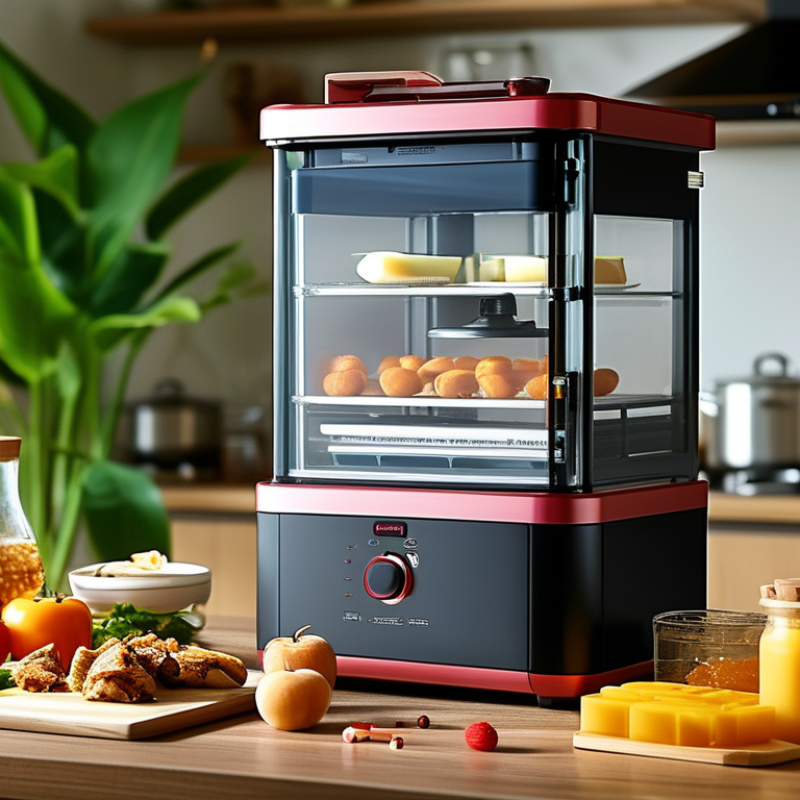
Understanding Your Vacuum Packing Needs and Usage Scenarios
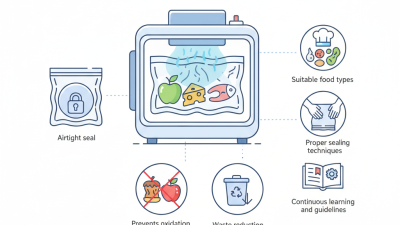
When selecting a vacuum packing machine, it's crucial to understand your specific needs and usage scenarios. According to industry reports, nearly 46% of consumers use vacuum sealers to preserve food for longer periods. If your primary goal is food storage, consider machines with a strong suction capability to remove air efficiently. A reliable model should create a tight seal to prevent freezer burn, ensuring that your food remains fresh.
Tips: Evaluate the volume of food you typically seal. For small households, a compact model may suffice. Larger families or commercial kitchens often benefit from industrial-grade machines. Pay attention to the chamber size; it should accommodate your usual packages.
If you plan to use the machine for sous vide cooking, opt for a model that can handle moist foods without compromising the seal. Reports indicate that nearly 30% of users cite ease of use as a significant factor in their decision-making. Choose a machine with intuitive controls and a user-friendly interface. Always review customer feedback for insights on durability and performance in real-world scenarios.
Key Features to Look for in Vacuum Packing Machines
When selecting a vacuum packing machine, understanding key features is essential for making an informed choice. One pivotal aspect is the machine's sealing strength. A report from the Packaging Machinery Manufacturers Institute (PMMI) indicates that machines with adjustable sealing times can significantly enhance food preservation. This feature allows users to pack various food types, from delicate fruits to dense meats, without compromising their integrity.
Another crucial factor to consider is the machine's chamber size. Smaller models may be suitable for home use, but those needing larger capacity should opt for industrial versions. According to industry surveys, 72% of users prefer machines that can handle bulk items. This ensures versatility, making meal prepping more efficient.
Tips: Always check for user-friendly controls. Simple interfaces can reduce errors during the packing process. Additionally, consider the noise level. Many machines can be surprisingly loud, which can be disruptive in a home environment.
Power consumption is also an area to scrutinize. Some models may promise quick sealing but consume excessive energy. Studies highlight that machines with energy-efficient ratings save consumers more in the long run. Pay attention to these details to ensure the best purchase decision.
Types of Vacuum Packing Machines and Their Differences
When choosing a vacuum packing machine, understanding the types available is crucial. Generally, there are two main types:
external sealers and
chamber sealers.
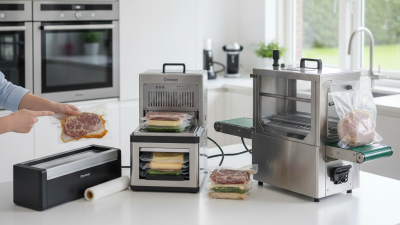
External sealers are compact and usually more affordable, making them popular for home use.
They work by removing air from the bag and sealing it. However, they're less effective for liquids and moist foods.
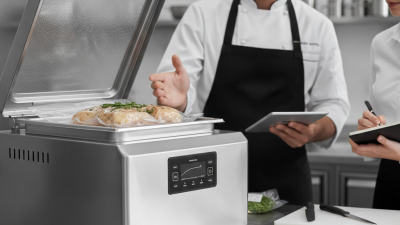
Chamber sealers, in contrast, are more powerful. They suck air from the entire chamber, ensuring a strong seal even with liquids.
This type is often preferred in commercial settings due to its ability to handle larger volumes. According to industry reports,
chamber sealers can increase food shelf life by up to 5 times when compared to traditional sealing methods.
This efficiency makes them a worthy investment for both small businesses and serious home cooks.
Tip: Consider your primary use for the machine. For occasional use, an external sealer suffices.
For regular or heavy-duty tasks, invest in a chamber sealer for reliable performance.
Each type has strengths and weaknesses. External sealers are simpler but have limitations.
Chamber sealers require more space and a higher budget. Evaluate these factors according to your needs.
Understand that the cheapest option may not always be the best for long-term use.
Your choice should align with how often and what you intend to pack.
Budget Considerations and Price Ranges for Vacuum Sealers
When selecting a vacuum packing machine, budget is a major factor. Prices can range widely, from affordable models under $50 to high-end machines exceeding $500. Consider your usage frequency. If you seal items daily, investing in a quality sealer is wise. For occasional use, a more budget-friendly option may suffice.
It’s crucial to assess features against your needs. Some machines offer advanced functions like built-in sealers and adjustable vacuum settings. Simplicity might be key for casual users. Look for models with reliable customer reviews to ensure durability and performance.
Tips:
Invest in a machine with a warranty. This provides peace of mind if issues arise.
Research user experiences online; forums can offer real-world insights.
Factor in the cost of consumables, like vacuum bags. This can add up over time.
How to Choose the Best Vacuum Packing Machine for Your Needs? - Budget Considerations and Price Ranges for Vacuum Sealers
| Type of Vacuum Sealer |
Price Range |
Features |
Best For |
| Manual Handheld Sealers |
$20 - $50 |
Portable, easy to use |
Light users, travel |
| Countertop Vacuum Sealers |
$50 - $200 |
Automatic operation, various modes |
Home cooks, families |
| External Vacuum Sealers |
$30 - $150 |
Compact, versatile |
Occasional users, small kitchens |
| Chamber Vacuum Sealers |
$200 - $500+ |
Heavy-duty, high-efficiency |
Businesses, serious cooks |
| Sous Vide Vacuum Sealers |
$50 - $300 |
Specifically designed for sous vide cooking |
Sous vide enthusiasts |
Maintenance Tips for Prolonging the Life of Your Vacuum Machine
Maintaining a vacuum packing machine is essential for its
longevity and efficiency. Regular care can significantly reduce repair costs and extend the machine's lifespan.
According to industry studies, properly maintained vacuum machines can last
up to 20% longer than those neglected. Here are some important
maintenance tips.
Keep the machine clean. Regularly wipe down the exterior and remove any food particles
from the sealing area. Bacteria can thrive in unclean environments, affecting your food safety.
Avoid using harsh chemicals; a simple soap-and-water mix works best. Pay attention to the sealing
strips as well. These are critical for proper function. Replace them if you notice wear.
Inspect the vacuum pump regularly. Any unusual noises might indicate a problem.
This component is expensive to replace, so keep it in top condition. Check oil levels if your machine
uses oil lubrication. Low oil can lead to overheating and malfunction.
Always store your machine in a dry area. Humidity can damage the electrical components.
If you’re not using it for an extended period, consider covering it with a cloth to keep dust away.
Regular checks and careful storage can prevent future issues.